
Can You Still Buy R22 Refrigerant in the United States?

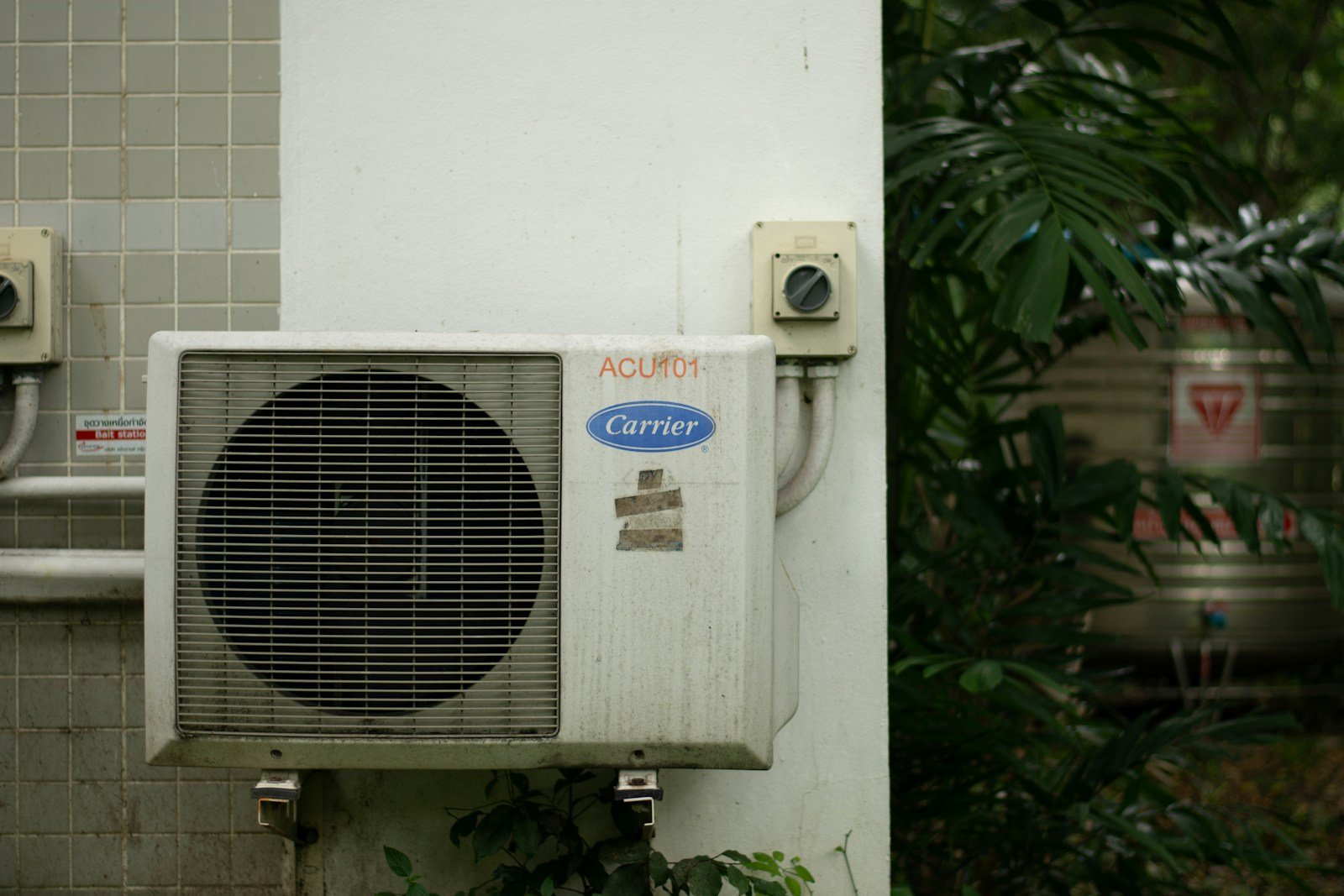
Yes. You can still buy R22 refrigerant in the United States in 2026. The catch is important: EPA banned production and import of new HCFC-22 (R-22) after January 1, 2020. What remains on the market is for servicing existing R-22 equipment, typically from reclaimed refrigerant or inventory produced before that cutoff.
There is no federal rule that forces a homeowner to scrap a working R-22 air conditioner. There is also no legal path to put R-22 into an R-410A, R-454B, or R-32 system. If the nameplate says R-22, that is the refrigerant the machine is listed for.
This guide explains what you can still buy, who is allowed to buy it, what to check before you order, and when replacement makes more sense than another cylinder.
Table of contents
- Can you still buy R22 refrigerant?
- What the 2020 phaseout actually ended
- Who can buy R-22
- What to check before you order
- 30 lb R-22 cylinders
- R-22 is not a drop-in for newer refrigerants
- When to repair versus replace
- Tools for R-22 service
- Frequently asked questions
Can you still buy R22 refrigerant?
Yes, for existing systems. EPA has been clear that HCFC-22 can still be used to service equipment already in the field, including replacement of failed components. What you cannot do is count on newly manufactured R-22 being imported or produced for the U.S. market the way it was before 2020.
Supply now comes from:
- Reclaimed R-22 processed by an EPA-certified reclaimer
- Previously produced inventory still in the distribution chain
- Recovered refrigerant returned to the same owner’s equipment (that recovered gas cannot be sold to a new owner unless it is reclaimed first)
Price and lead time can move with reclaim supply. That is expected. It does not mean R-22 is illegal to purchase for a qualified buyer.
What the 2020 phaseout actually ended
R-22 is chlorodifluoromethane, an HCFC (Class II ozone-depleting substance). It is ASHRAE safety class A1. Commonly cited values are an ozone depletion potential of about 0.055 and a 100-year GWP of about 1,810 (IPCC AR4). Those numbers are why the United States phased it out of new production under the Montreal Protocol and the Clean Air Act.
Key dates technicians still use in the field:
- January 1, 2010: New R-22 air conditioners and heat pumps could no longer be manufactured for the U.S. market.
- January 1, 2020: Production and import of new R-22 for use in equipment generally ended.
- After 2020: Existing R-22 systems remain legal to operate and service. EPA has not mandated conversion of working equipment.
That is a different rule set from the later HFC (R-410A) Technology Transitions limits. If you are comparing newer equipment refrigerants, see R410A vs R454B and the site’s EPA refrigerant regulations guide.
Who can buy R-22
Ozone-depleting refrigerants such as R-22 are sold under EPA’s Section 608 sales restriction. In practice, U.S. distributors sell to:
- Technicians with current EPA Section 608 certification
- Companies that employ certified technicians, with the required records
Online sales are not an exception. EPA still expects the seller to verify certification and keep records. Homeowners should not buy a 30 lb cylinder to “top off” a central air conditioner. Venting is illegal. Overcharging, using the wrong gas, or opening a system without recovery equipment can destroy the compressor and create a Clean Air Act problem.
If you own an older system and it is low on charge, hire a certified technician. The leak should be found and repaired. Adding refrigerant without fixing the leak is a short-term patch, not a repair. See refrigerant leak detection methods for how that work is done in the field.
What to check before you order
Confirm the nameplate refrigerant
Read the outdoor unit and indoor coil data plates. Many systems from the 1990s and 2000s use R-22. Equipment built for the U.S. market after the 2010 equipment ban is almost never R-22. If the plate says R-410A, you need R-410A service gas and R-410A-rated components, not R-22.
Purity and reclaim status
Used refrigerant sold to a new owner must be reclaimed by an EPA-certified reclaimer. Ask the supplier what they are shipping and keep the paperwork with the job file. Mixed or contaminated gas is a common reason an older system “won’t take a charge” after someone recovered into a dirty tank.
Cylinder size
Contractors typically buy R-22 in disposable 30 lb cylinders for residential and light commercial service. A 30 lb net cylinder is enough for several residential top-offs after a proper repair, or for a full charge on many older split systems, depending on the nameplate. Do not buy a cylinder “just in case” if you cannot store it legally and safely.
Compatibility and oil
R-22 systems usually run on mineral oil (and some later designs used alkylbenzene). R-410A and most newer HFC/HFO systems use POE. You cannot swap the gases and expect the oil, expansion device, and compressor to behave. Follow the OEM. Do not pour in a so-called drop-in blend unless the equipment manufacturer and EPA SNAP listing actually allow that retrofit, and then only with a documented conversion procedure.
Supplier and shipping
Refrigerant cylinders are hazardous materials. They should ship from a U.S. supplier that packs to DOT rules, provides tracking, and does not treat a 30 lb cylinder like a consumer aerosol can. HVAC Prime ships from a U.S. warehouse. Confirm current stock, delivery window, and certification requirements at checkout.
Storage
Store cylinders upright, outdoors or in a ventilated area, away from living spaces, ignition sources, and temperatures above about 125°F (52°C). Do not leave a cylinder in a closed truck in summer heat. Keep the valve capped when the cylinder is not in use.
30 lb R-22 cylinders
For shops that still service a large R-22 installed base, a 30 lb cylinder is the usual stock-keeping unit. HVAC Prime offers a 30 lb R-22 refrigerant cylinder for qualified buyers who need gas for compatible existing equipment.
Before you add it to an order, verify:
- The system nameplate is R-22
- The leak is repaired, or you have a recovery-and-repair plan
- Your recovery tank and gauges are rated for R-22
- You or the installing technician holds Section 608 certification
A cylinder is not a substitute for diagnosis. If the unit is short-cycling, icing, or losing charge again in a week, find the leak first.
R-22 is not a drop-in for newer refrigerants
R-22, R-410A, R-32, and R-454B are different chemicals with different pressures, oils, and equipment listings.
| R-22 | R-410A | R-454B / R-32 (new equipment) | |
|---|---|---|---|
| Typical U.S. use in 2026 | Service of existing older systems | Service of existing 2010s–early 2020s systems | New listed unitary / ductless equipment |
| ASHRAE class | A1 | A1 | A2L |
| Ozone depletion | Yes (HCFC) | No (HFC) | No |
| Can you pour it into the other system? | No | No | No |
Putting R-22 into an R-410A condenser, or R-410A into an R-22 coil, is not a repair. It is a way to wreck the compressor. For the current generation of new systems, start with R-32 vs R-410A.
When to repair versus replace
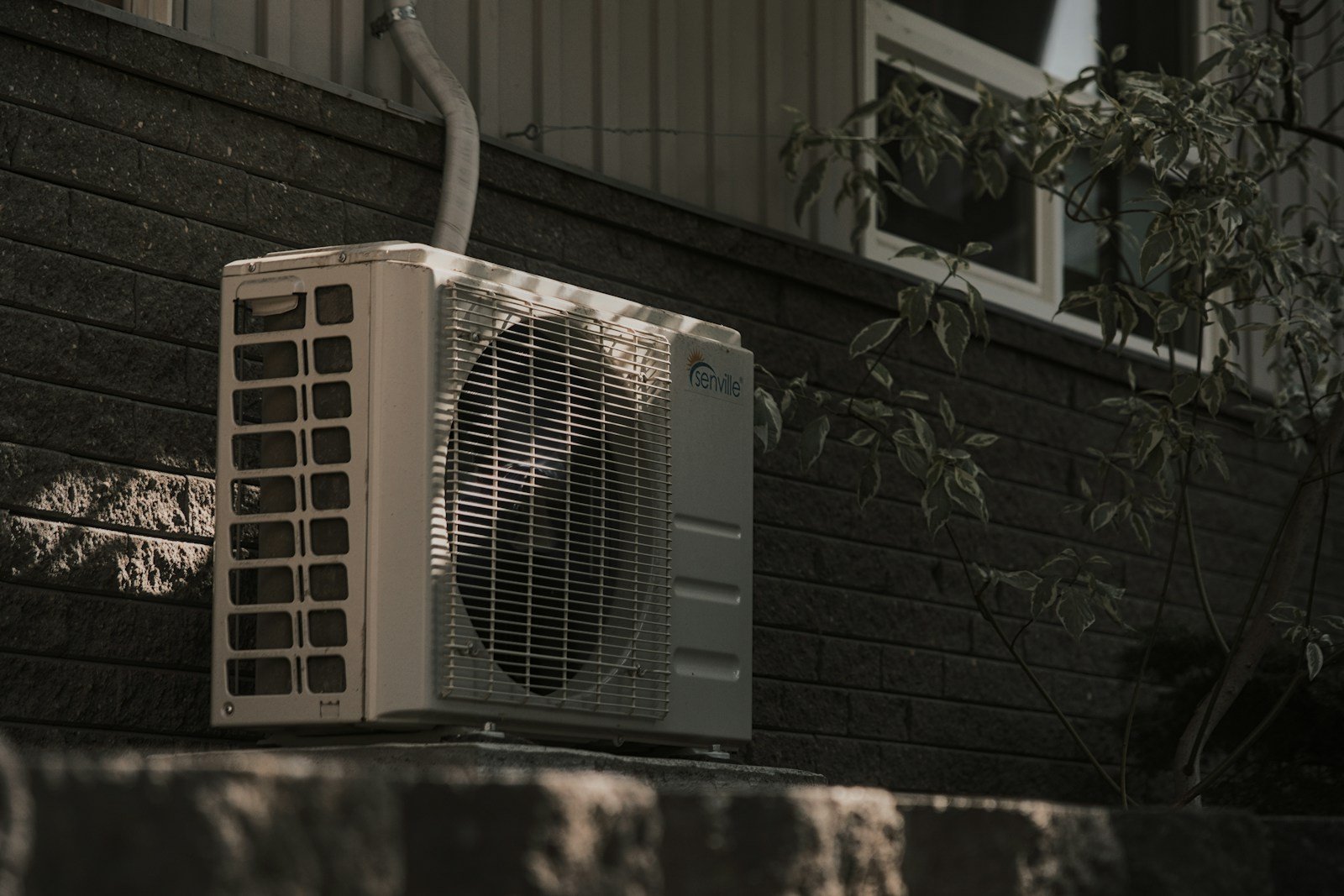
EPA does not require replacement of a working R-22 unit. The practical question is cost and remaining life.
Repair and recharge often still makes sense when:
- The compressor and coil are sound
- The leak is accessible and can be verified
- The equipment is not already inefficient or failing other major parts
Replacement is often the better conversation when:
- The compressor is locked or the coil is shot
- The system has leaked repeatedly
- The furnace or air handler is due at the same time
- The customer wants a matched, listed new system (often R-454B or R-32, depending on the product line)
Do not “convert” an R-22 condensing unit to a new refrigerant by changing only the gas. If the customer is replacing the outdoor unit, replace it as a matched system the OEM lists.
Tools for R-22 service
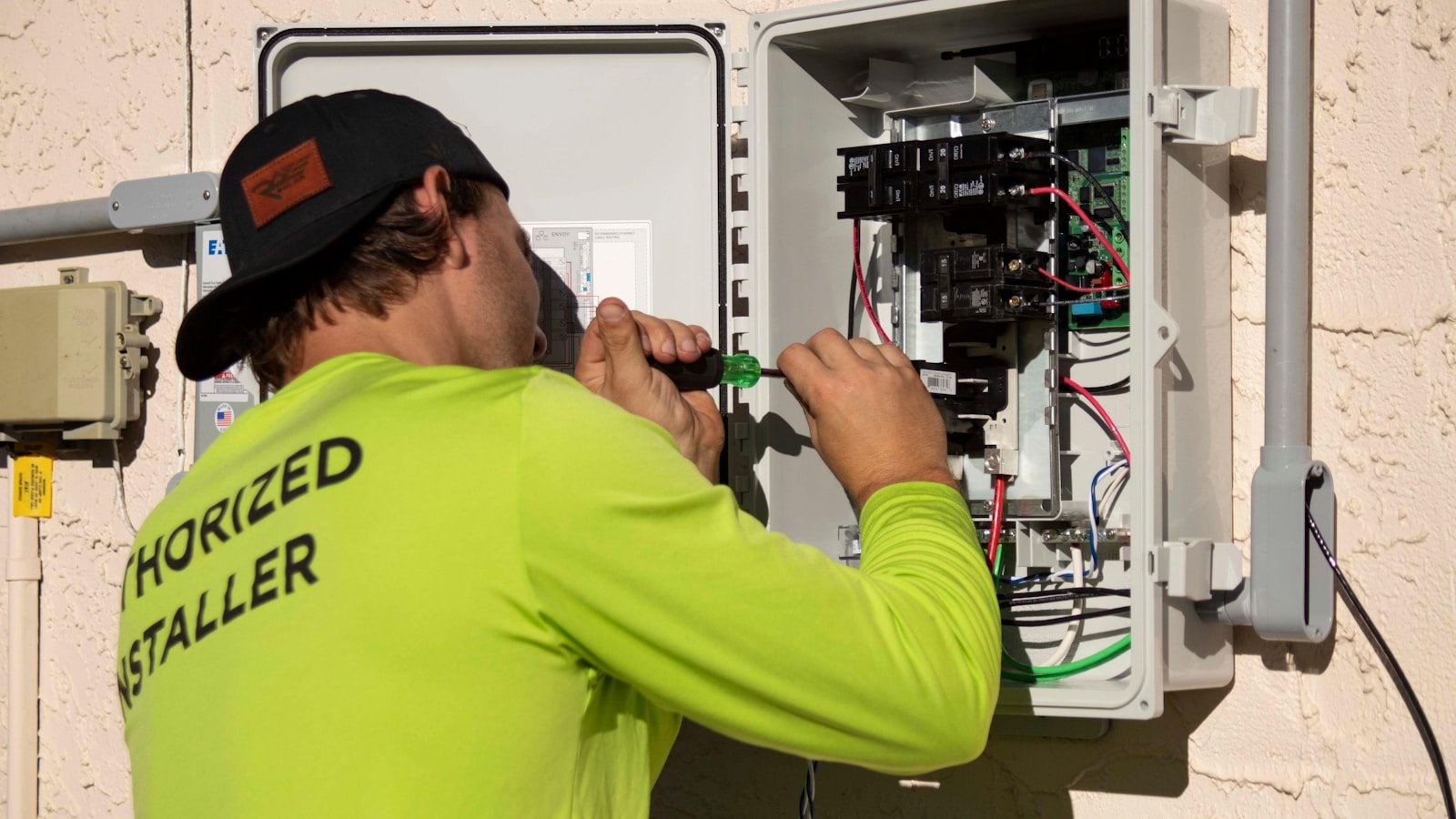
R-22 service still needs recovery, evacuation, leak detection, and accurate charging. A manifold that includes R-22 scales, such as the Mastercool 59161 R-22 / R-404A / R-410A brass manifold set, is built for the mixed truck that still sees older splits plus later HFC equipment. Browse AC gauges and accessories for hoses and related fittings.
After a repair, pull a deep vacuum before you charge. A 7 CFM dual-stage vacuum pump is a common contractor choice. Many techs still nitrogen-test the circuit first; see the nitrogen pressure testing guide and a CGA-580 nitrogen regulator.
If the recovered gas or the cylinder contents look questionable, identify before you charge. A refrigerant diagnostics kit is more useful than guessing from a faded outdoor-unit sticker. Charging still comes down to superheat or subcooling for the metering device in front of you; the field procedure is covered in superheat and subcooling.
Frequently asked questions
Can you still buy R22 refrigerant?
Yes. Qualified buyers can still purchase R-22 in the U.S. to service existing equipment. New production and import ended in 2020, so supply is reclaimed or previously produced inventory.
Is R-22 banned in homes that already have it?
No. EPA has not banned the continued use of existing R-22 air conditioners. There is no federal mandate to convert a working system.
Do I need a license to buy R-22?
You need EPA Section 608 technician certification (or you must be buying for a company that employs certified technicians and meets the sales-restriction records). This is not a DIY consumer product.
Can I put R-22 in an R-410A system?
No. The pressures, oil, metering device, and listing are different. Use only the nameplate refrigerant.
Is Freon the same as R-22?
“Freon” is a trade name people still use for several refrigerants. In older U.S. home air conditioners, “Freon” usually meant R-22. Always go by the ASHRAE number on the nameplate, not the nickname.
Why is R-22 so expensive compared with years ago?
New production stopped. What remains depends on reclaim volume and leftover inventory. Price can stay high even when cylinders are still available.
Should I retrofit my R-22 system with a replacement blend?
Only if the equipment manufacturer supports that retrofit and the substitute is allowed for that end use. Many “drop-in” claims are oversold. A matched new system is often cleaner than a partial conversion on tired hardware.
The practical takeaway
You can still buy R22 refrigerant in the United States. You cannot treat it like an unrestricted consumer chemical, and you cannot use it as a universal AC refill. Confirm the nameplate, hold the right certification, fix the leak, and charge only R-22 systems with R-22.
If you service those systems, HVAC Prime’s 30 lb R-22 cylinder is the product page to review for cylinder size and current availability. Pair it with the right gauges, vacuum pump, and leak-finding tools from the HVAC Prime shop. More service articles are on the blog.
Sources
- EPA: Technicians and contractors, HCFC-22 servicing FAQ
- EPA: Section 608 refrigerant sales restriction
- EPA: Phaseout of Class II ozone-depleting substances
Sales and handling rules can change. Verify current EPA Section 608 requirements and your supplier’s certification process before you order.




 HVAC
HVAC Automotive
 Refrigerant Diagnostics Kit
 Water Heaters