
Contractor Playbook for HVAC Service Contracts: Pricing, KPIs, Supply


Service contracts turn a shop’s revenue from a series of one-off gambles into a recurring line you can actually forecast. Sourcing partners like Hvac-prime give contractors the refrigerant and tool supply to keep those promises without inventory risk.
TL;DR:
- Most shops see a 55% increase in service revenue by making recurring agreements the default offer rather than selling few contracts.
- Automating renewal reminders and using autopay can boost retention rates from around 50-65% to over 80%, significantly increasing total program value.
- Running three-tier structures priced with the middle tier about 50% above entry prevents customer churn and maximizes margins.
- Completing both annual preventive maintenance visits dramatically improves customer renewal likelihood and contract profitability.
- Supplying stock refrigerants and diagnostic tools in advance ensures performance promises are met, avoiding delays that hurt customer trust.
Table of Contents
- What Are the Core HVAC Service Contract Benefits for Contractors?
- How Much Revenue Do Service Contracts Actually Add?
- What Should a Profitable Tier Structure Look Like?
- When and How Should Techs Sell the Agreement?
- What Operational Habits Keep an Agreement Program Profitable?
- What Coverage Do Contracts Typically Include and Exclude?
- How Do Contracts Reduce Risk and Liability for Customers?
- Does a Service Contract Actually Extend Equipment Life?
- Service Contracts vs. Pay-Per-Service: Where’s the Real Savings?
- What I’ve Seen Kill Otherwise Good Agreement Programs
- How Hvac-prime Keeps Your Agreement Promises Fulfillable
- Sources
What Are the Core HVAC Service Contract Benefits for Contractors?
The direct payoff of selling agreements isn’t the membership fee. It’s everything that fee unlocks downstream: steadier cash flow, cheaper customer acquisition, and a book of business that keeps buying parts and equipment for years. Agreement customers deliver 2 to 4 times the lifetime value of one-off customers, and top-performing shops now pull roughly 55% of total service revenue from recurring agreements rather than emergency calls.
Here’s what that translates to on the ground:
- Payroll stability. Recurring visits fill the slow shoulder seasons, so you’re not laying off techs in April and scrambling to hire in July.
- Higher parts and upgrade spend. Agreement holders trust your recommendations more and say yes to filter upgrades, surge protectors, and full system replacements at a higher rate than transactional customers.
- Better referrals and pricing power. Members refer friends more often and push back less on labor rates, which protects your gross margin instead of eroding it through discount wars.
- Lower emergency exposure. Priority dispatch for members means fewer 2 a.m. no-heat calls turning into overtime nightmares, and fewer angry customers posting bad reviews.
- Predictable purchasing. Knowing you have 40 preventive maintenance visits scheduled next month lets you order refrigerant and filters ahead of time instead of paying rush shipping premiums.
None of this shows up if you sell three contracts a month and hope. It shows up when agreements become the default offer, not the afterthought.
How Much Revenue Do Service Contracts Actually Add?
The math only works if you track the right numbers. Three benchmarks matter most: conversion rate, renewal rate, and average revenue per agreement.
Conversion swings hard based on when you ask. Bundle it into an installation quote and that number can clear 50%, because the customer is already spending money and the incremental cost feels small. Annual agreement pricing typically lands between $150 and $350 per customer depending on tier and market.
The renewal number that matters most: Programs relying on manual renewal calls plateau around 50% to 65% retention. Add autopay, a card on file, and automated renewal reminders, and that climbs past 80%. That 15 to 30 point gap compounds every year you run the program.
Run the numbers on a 1,000-customer book and the picture gets interesting fast:
Add it up and a well-run book contributes $250,000 to $430,000 in total program value, even though the membership line by itself might look barely profitable after labor and truck costs. That’s the trap: judge the program by membership revenue alone and you’ll think it’s a loser. Judge it by total contribution and it’s often your most valuable book of business.
What Should a Profitable Tier Structure Look Like?
Most successful shops run three tiers, not one flat plan. A single price point either scares off budget-conscious customers or leaves money on the table with customers who’d pay more for faster response and bigger discounts.
- Entry tier (roughly $199/year): one annual PM visit, 10% repair discount, priority scheduling within 48 hours.
- Mid tier (roughly $299/year): two PM visits, 15% repair discount, same-day priority dispatch, no overtime charges.
- Premium tier (roughly $499/year): two PM visits, 20% discount, waived diagnostic fees, and a service credit toward eventual replacement.
Price the middle tier around 50% above the entry price rather than benchmarking against whatever the shop across town charges. Anchor pricing pushes more customers into the middle option, which is usually where your margin is best. Chasing competitor rates race-to-the-bottoms your whole program.
Two operational guardrails matter as much as the pricing itself. First, know your cost-to-serve, meaning labor, truck time, and parts, before setting a floor price, or you’ll subsidize customers instead of profiting from them. Second, cap monthly signups to what your shoulder-season capacity can actually handle.
Pro Tip: Build auto-renewal and a non-refundable first visit fee into every contract from day one. Retrofitting those terms into an existing customer base later causes far more churn than just starting strict.
When and How Should Techs Sell the Agreement?
Timing beats script every time. The three highest-converting moments are right after a successful repair (the customer just watched you fix a real problem), during an installation quote (the spend is already happening), and while booking a service call over the phone.
- Post-repair pitch: Present the agreement once the unit is running and the customer is relieved, not while they’re still anxious about the bill.
- Installation bundle: Fold the first year of coverage into the install price. Conversion here regularly beats 50% because the incremental cost feels trivial against a multi-thousand-dollar purchase.
- Booking-call offer: Train CSRs to mention the plan before the truck even rolls, catching customers who called specifically because something broke.
Enrollment should happen on-site through a tablet or phone, with a card captured for autopay and the next PM visit scheduled before the tech leaves the driveway. Waiting to “follow up later” is where most sign-ups die.
Automate what happens after that. Renewal sequences triggered at 60, 30, and 7 days before expiration keep the plan top of mind, and a separate salvage sequence for customers who declined the first pitch can recover a meaningful share of them later. Shops running automated, multitouch outreach report 2 to 3 times the enrollment of shops relying purely on technician pitches. Track conversion by individual tech and renewal by signup cohort. Spiffs for techs who close agreements are cheap compared to what the LTV difference is worth.
What Operational Habits Keep an Agreement Program Profitable?
Selling the contract is the easy part. Fulfilling it profitably for years is where programs succeed or quietly bleed money.
The single biggest driver of renewal failure is a missed second PM visit. Programs that complete all scheduled visits each year see much better retention compared to those missing or rescheduling visits. Build your dispatch software to flag any agreement customer approaching month ten without that second visit booked.
Statistic worth posting on the wall: Completing both annual PM visits is the strongest single predictor of whether a customer renews, according to operational data from agreement-focused programs. Miss visit two, and renewal odds drop sharply.
Track these monthly, not quarterly:
- Cost-to-serve per plan: labor hours, truck time, parts, and travel distance.
- Membership revenue separate from agreement-holder repair and replacement revenue.
- Renewal rate by signup cohort and by tier.
- Replacement conversion rate among agreement holders versus non-members.
Priority parts holding matters here too. If your dispatcher has to call around for R410A or a specific capacitor on a day when three members need service, you’ve already broken the priority promise you sold. A reliable PM checklist and pre-staged parts kits close that gap before it costs you a renewal.
What Coverage Do Contracts Typically Include and Exclude?
Most agreements bundle a predictable set of coverage, and the exclusions matter just as much as what’s included, because vague terms create disputes at the worst possible moment.
Standard inclusions across tiers usually cover one or two annual preventive maintenance visits, discounted repair labor (commonly 10% to 20%), priority scheduling ahead of non-members, and waived or reduced diagnostic fees. Premium tiers often add filter replacements, coil cleaning, and a credit toward eventual system replacement.
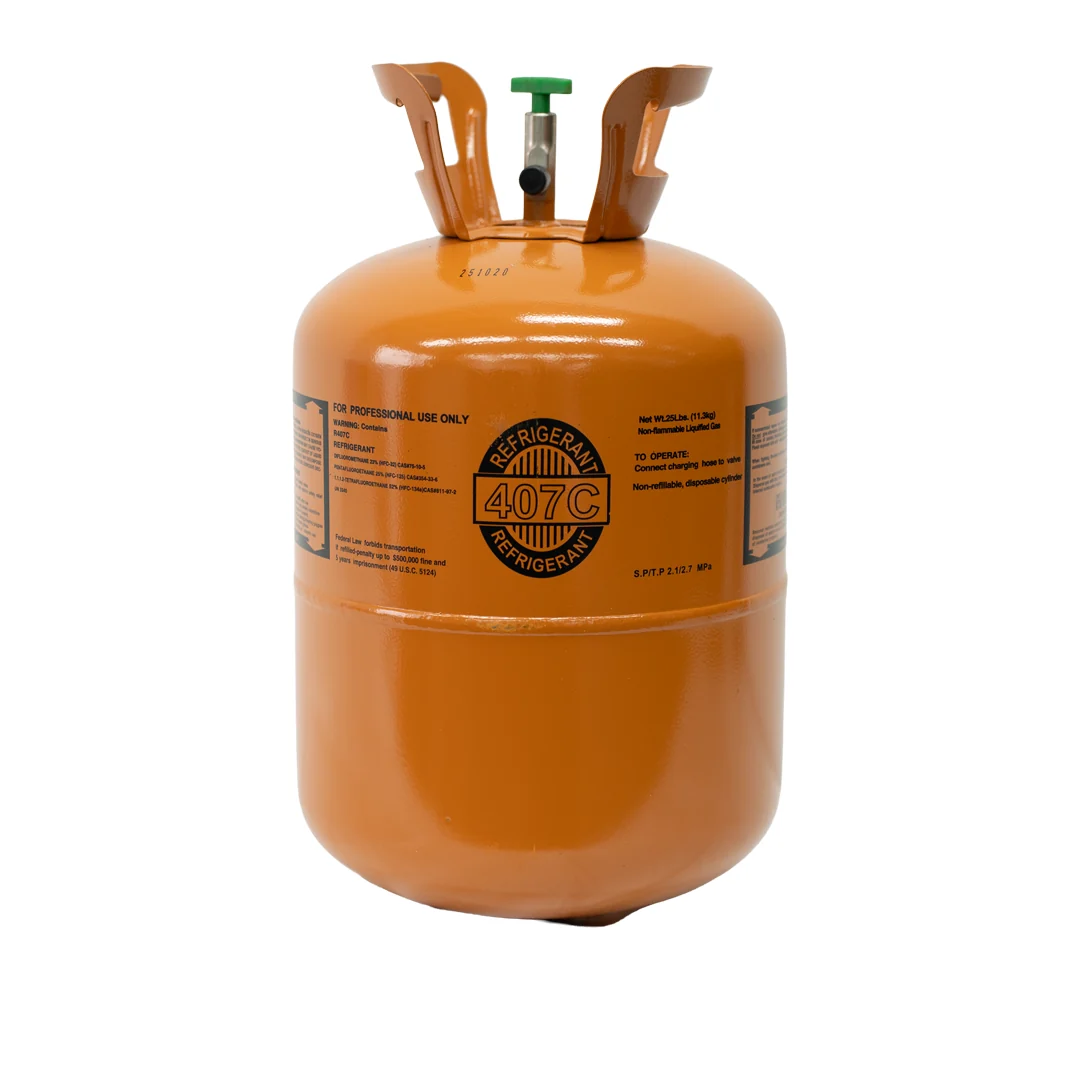
What’s typically excluded matters for setting expectations honestly: full parts replacement costs, refrigerant charges beyond a small included allotment, damage from neglect or unrelated mechanical failure, and coverage for units past a certain age or in visibly poor condition at enrollment. Many contracts also exclude emergency after-hours service from the flat discount, charging a reduced but non-zero overtime rate instead.
Spell these exclusions out in plain language on the signup form, not buried in fine print. Customers who feel blindsided by an exclusion at claim time don’t renew, and they tell their neighbors why. Contracts that are specific about what refrigerant volume is included, for instance, avoid the awkward conversation where a customer assumed a full recharge was free.
How Do Contracts Reduce Risk and Liability for Customers?
A signed agreement shifts a chunk of uncertainty off the customer’s shoulders and onto a predictable, budgeted line item. That’s the real appeal beyond convenience.
Customers on a plan know their maintenance cost for the year in advance, which protects them from the classic HVAC failure pattern: a neglected system fails in July, the repair company they’ve never used quotes an inflated emergency rate, and they have no leverage to negotiate. An existing agreement removes that leverage problem entirely, since pricing and priority response were agreed to months earlier under normal conditions.
There’s a liability angle too, particularly for facility managers overseeing multiple properties or units. Documented, regular maintenance visits create a paper trail that supports warranty claims and demonstrates due diligence if a system failure ever leads to a property damage or safety dispute. Skipped maintenance is one of the fastest ways manufacturers deny warranty claims on compressors and coils, and a facility manager without that documentation is exposed in a way a contract customer isn’t.
For contractors, this is a selling point worth stating directly rather than assuming customers understand it. A facility manager comparing five properties’ worth of HVAC risk cares less about the discount and more about not being the person who has to explain an uninspected system failure to ownership.
Does a Service Contract Actually Extend Equipment Life?
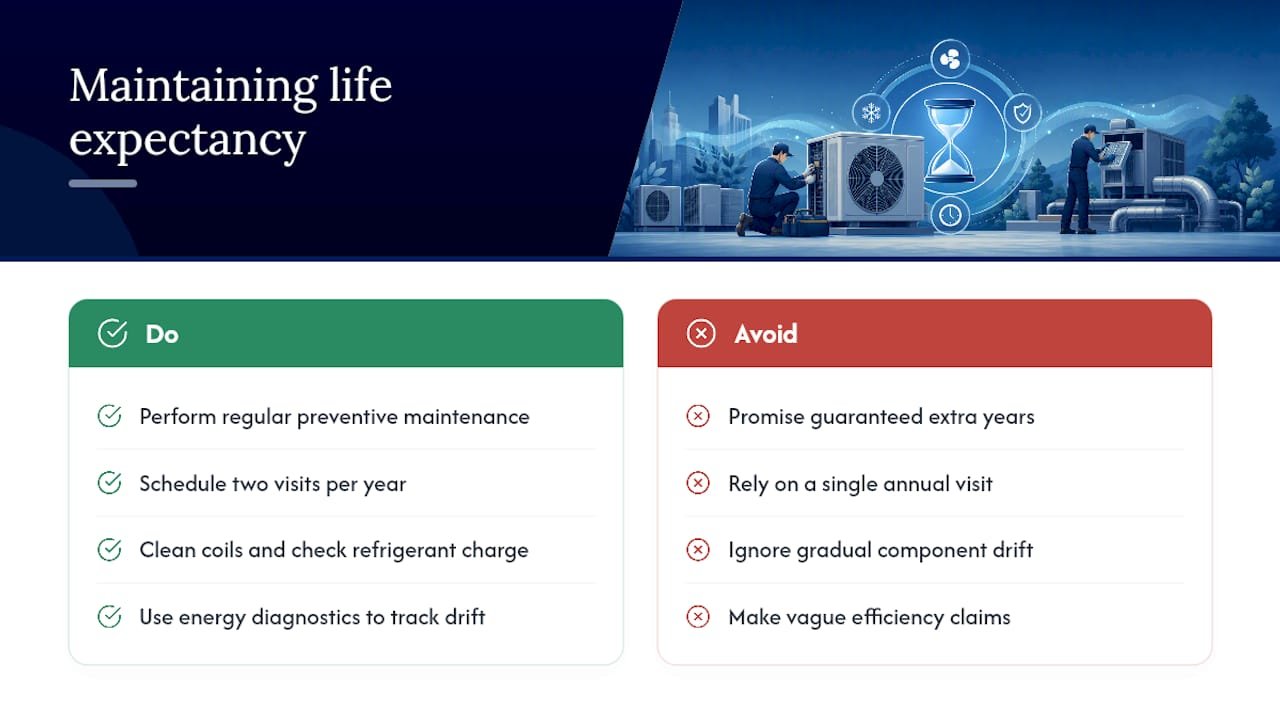
Regular preventive maintenance addresses the small failures before they cascade into big ones, and that’s where the equipment lifespan argument holds up. A dirty coil forces a compressor to work harder for months before it eventually fails; a scheduled cleaning during a PM visit prevents that slow degradation entirely.
Energy efficiency follows the same logic. Systems running with clean coils, correct refrigerant charge, and properly calibrated components consume less power to deliver the same output. A facility management partner focused on energy diagnostics will tell you the same thing from a different angle: most efficiency loss in commercial HVAC systems comes from gradual component drift that nobody notices until the utility bill spikes.
This is also where the two-visit-per-year standard earns its keep operationally, not just for renewal metrics. One visit catches obvious problems. Two visits catch seasonal drift, meaning summer refrigerant pressure issues that don’t show up during a spring inspection, or winter heat exchanger cracks that a fall visit might miss entirely.
Contractors should frame this honestly with customers: a maintenance plan doesn’t guarantee a system lasts an extra five years. It meaningfully improves the odds by catching the failures that shorten lifespan before they become expensive, and it keeps efficiency closer to the system’s original rating for longer. That’s a real, defensible claim, and a more useful one than vague promises of doubled equipment life.
Service Contracts vs. Pay-Per-Service: Where’s the Real Savings?
Pay-per-service customers pay more per interaction and get less certainty in return, which is the trade contractors should be explicit about when pitching a plan.
A single diagnostic call with no plan often runs the full uninhibited rate, plus whatever repair follows, with zero discount and no scheduling priority. Over three or four years, a homeowner or facility manager who calls only when something breaks typically pays more in cumulative repair costs than a member paying a steady annual fee, largely because neglected systems fail more expensively and more often.
The contractor side of this comparison matters too. Pay-per-service customers are unpredictable revenue: some years they call twice, some years not at all, and there’s no way to plan technician schedules or refrigerant purchasing around them. Agreement customers convert that unpredictability into a known volume of visits you can staff and stock for in advance.
The honest caveat: a customer with a brand new, high-efficiency system who almost never has issues might genuinely save money staying pay-per-service for a year or two. But that math flips as the system ages, and most contractors underprice the risk of pitching plans only to customers with older equipment, which skews the agreement book toward higher-cost customers. Selling contracts across the full customer base, new systems included, is what keeps the average cost-to-serve manageable and the program profitable for the shop.
What I’ve Seen Kill Otherwise Good Agreement Programs
The programs that fail almost never fail because the concept was wrong. They fail because of predictable, avoidable mistakes: underpricing to win the sale, promising unlimited free visits that erase your margin, relying on manual renewal calls that fall through the cracks, and never separating membership revenue from the parts and replacement lift it actually generates.
If you’re running a program already, spend the next 90 days on five things: audit every tier’s pricing against your actual cost-to-serve, enforce completion of the second annual PM visit without exception, switch new signups to autopay by default, cap monthly enrollments to what your schedule can absorb, and automate your renewal sequence so it doesn’t depend on someone remembering to make a call. None of this is complicated. It’s just rarely done with discipline, which is exactly why the shops that do it pull ahead of everyone still selling agreements as an afterthought.
— Planet
How Hvac-prime Keeps Your Agreement Promises Fulfillable
Every priority-dispatch and fast-repair promise in your contract depends on having the right refrigerant and tools on the truck when the call comes in, not three days later. Specialized suppliers provide wholesale virgin refrigerants and the diagnostic gear contractors need to keep PM season moving without a supply-chain scramble.
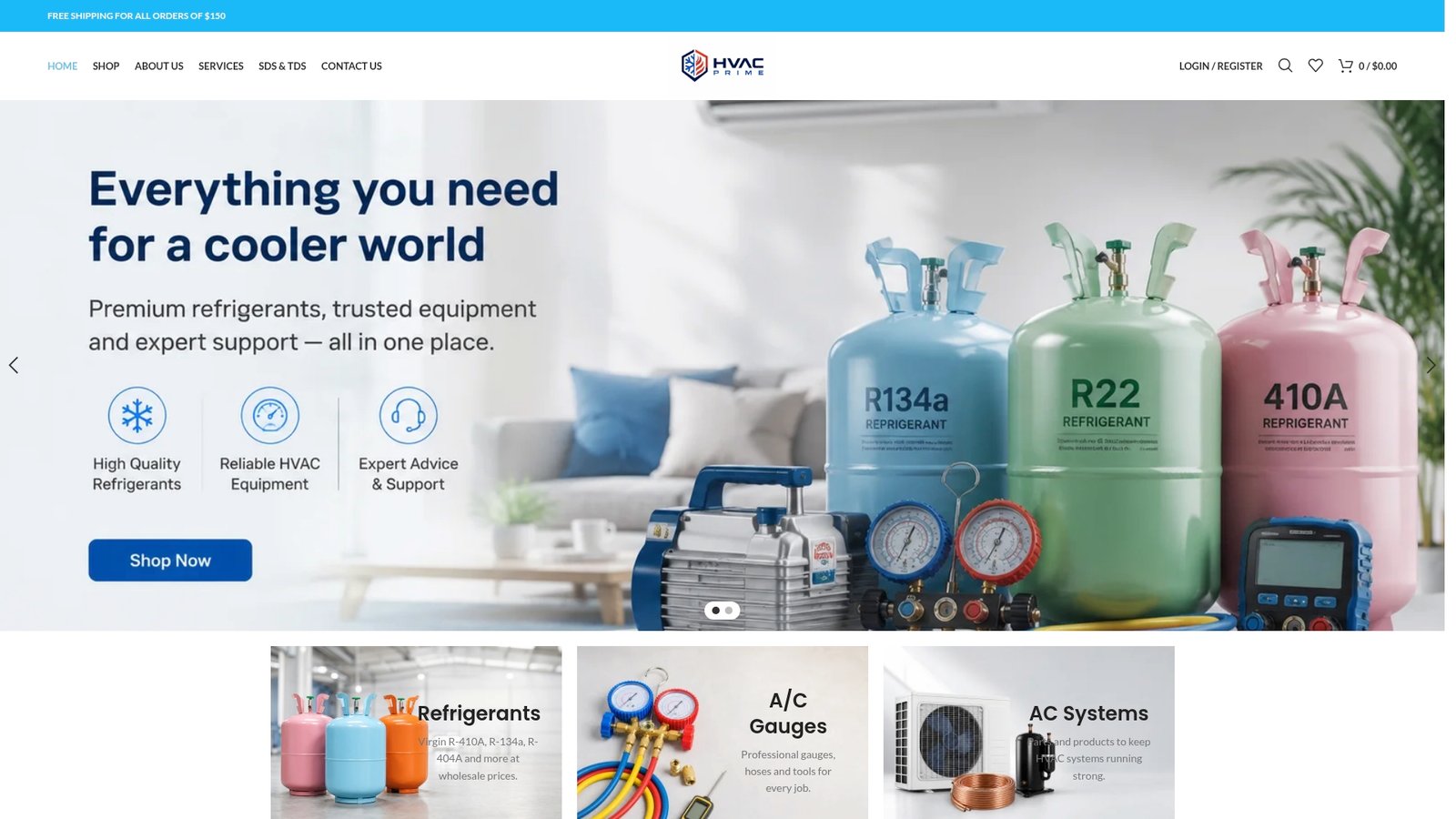
Stock ahead of your busiest PM months with wholesale refrigerants covering the full range your agreement customers’ systems run on, from R410A to R32 and R454B. Round out your service vehicles with gauges, vacuum pumps, and diagnostic kits built for the pace of recurring maintenance work, not occasional use. Fast shipping means a low-stock alert doesn’t turn into a missed priority-dispatch commitment. Check current inventory and place your seasonal order before your next PM wave hits.
Sources
For deeper pricing tables and renewal benchmarks referenced above, see the contractor guide to selling maintenance agreements, the HVAC service agreement program guide, and the pricing and margin breakdown from Plyrium Academy. For field execution, Hvac-prime’s preventive maintenance checklist covers the visit details that protect renewal rates.
- How to Sell Maintenance Agreements | Contractor Guide
- How to Build a Service Agreement Program for HVAC | Deelo Blog
- HVAC Maintenance Agreements: Pricing, Margins, and What Customers Actually Want in 2026 – Plyrium Academy – Plyrium




 HVAC
HVAC Automotive
 Refrigerant Diagnostics Kit
 Water Heaters