
R454B vs R32: Which Refrigerant Is Used in New HVAC Systems?

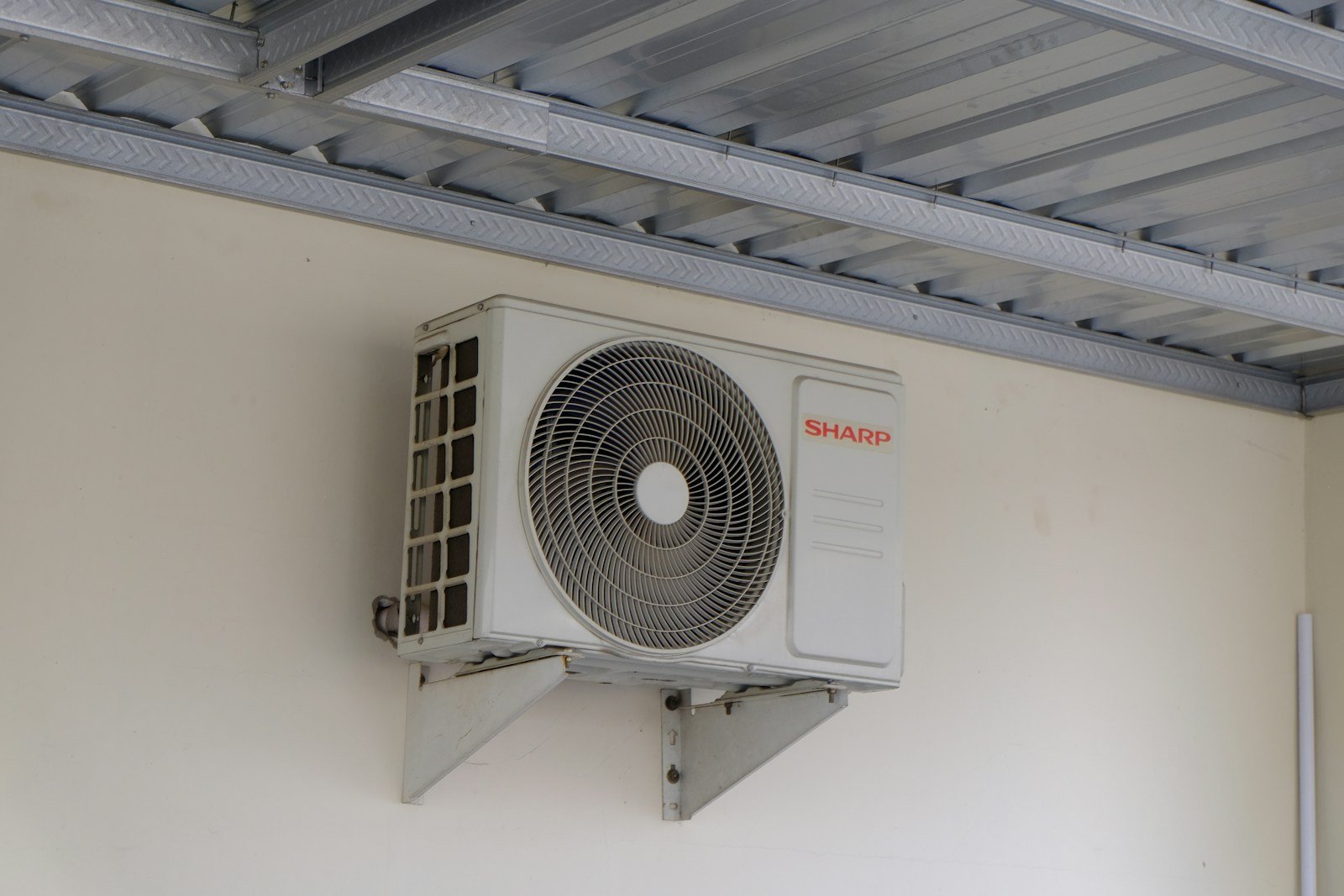
If you are buying or servicing a new air conditioner in the United States, the refrigerant question is no longer R-410A versus everything else. For most new listed equipment, the choice is R454B vs R32.
Both are A2L, low-GWP refrigerants designed to clear EPA’s roughly 700 GWP product limit for many new residential and light commercial air conditioners and heat pumps. Neither is a drop-in for R-410A. They are also not interchangeable with each other. The nameplate tells you which gas the machine is listed for.
This comparison is for technicians, contractors, and homeowners trying to understand which refrigerant shows up in new HVAC systems, and what that means for service, safety, and replacement decisions.
Table of contents
- Quick answer: which one is used where?
- What each refrigerant is
- R454B vs R32 comparison table
- Where you will see them in new U.S. systems
- Charging and service differences
- A2L safety for both
- Can you mix them or swap them?
- How homeowners should choose
- Frequently asked questions
Quick answer: which one is used where?
In 2026, a useful field rule of thumb is:
- R-454B is common in many new ducted residential and light commercial split systems and heat pumps from major U.S. unitary brands.
- R-32 is common in new ductless mini-splits and many VRF systems, and it also appears in some ducted product lines.
That is a pattern, not a law. Daikin, for example, has used R-32 in equipment families that other brands filled with R-454B. Always read the outdoor-unit nameplate and the installation manual before you recover, charge, or quote a replacement coil.
If you still need the R-410A side of the triangle, we already covered R410A vs R454B and R-32 vs R-410A. Older R-22 systems are a separate service market; see whether you can still buy R-22.
What each refrigerant is
R-454B
R-454B is a zeotropic blend. ASHRAE lists the composition as 68.9% R-32 and 31.1% R-1234yf by mass. Chemours markets it as Opteon XL41. Some U.S. unitary brands have sold it as Puron Advance.
ASHRAE classifies it A2L (lower toxicity, lower flammability). Using AR4 values commonly cited in U.S. HVAC literature, its GWP is about 466 (AR5 listings are often about 467). Ozone depletion potential is zero. It has a small temperature glide, typically on the order of 1 to 2°F between bubble and dew point.
Manufacturers chose it because it was engineered to land near R-410A capacity in new equipment while coming in well under the 700 GWP threshold.
R-32
R-32 is difluoromethane, a single-component HFC. It is not a blend, so it has no fractionation and no temperature glide. ASHRAE also classifies it A2L. Its 100-year GWP is commonly listed as 675 (AR4), which still clears the EPA 700 limit that knocked R-410A (about 2,088) out of many new product categories.
R-32 has a long global track record in ductless equipment. In the United States it became the default gas for many mini-split and VRF introductions, and some manufacturers use it in selected ducted systems as well.
Both refrigerants typically use OEM-specified POE or PVE oil. Use the oil the equipment maker lists. Do not assume the oil from an R-410A truck jug is automatically correct.
R454B vs R32 comparison table
Figures below are the values U.S. technicians most often use. Confirm charge, oil, and pressures against the nameplate and OEM literature. Pressures vary with indoor and outdoor conditions.
| Property | R-454B | R-32 |
|---|---|---|
| Type | HFO/HFC blend | Single-component HFC |
| Composition | R-32 / R-1234yf (68.9 / 31.1) | R-32 (100%) |
| ASHRAE safety class | A2L | A2L |
| GWP (AR4, approx.) | 466 | 675 |
| Ozone depletion potential | 0 | 0 |
| Temperature glide | Small (zeotropic) | None |
| Typical new U.S. equipment | Many ducted splits and heat pumps | Many mini-splits, VRF, some ducted lines |
| Charge method | Usually liquid, by weight | By weight (no fractionation) |
| Drop-in for R-410A? | No | No |
| Drop-in for each other? | No | No |
R-32 often runs a little higher in discharge temperature and pressure than a comparable R-454B design at the same condition. That is a reason to use the OEM PT chart, not an R-410A memory number. For the regulatory backdrop, see the EPA refrigerant regulations guide.
Where you will see them in new U.S. systems
Ducted central air and heat pumps
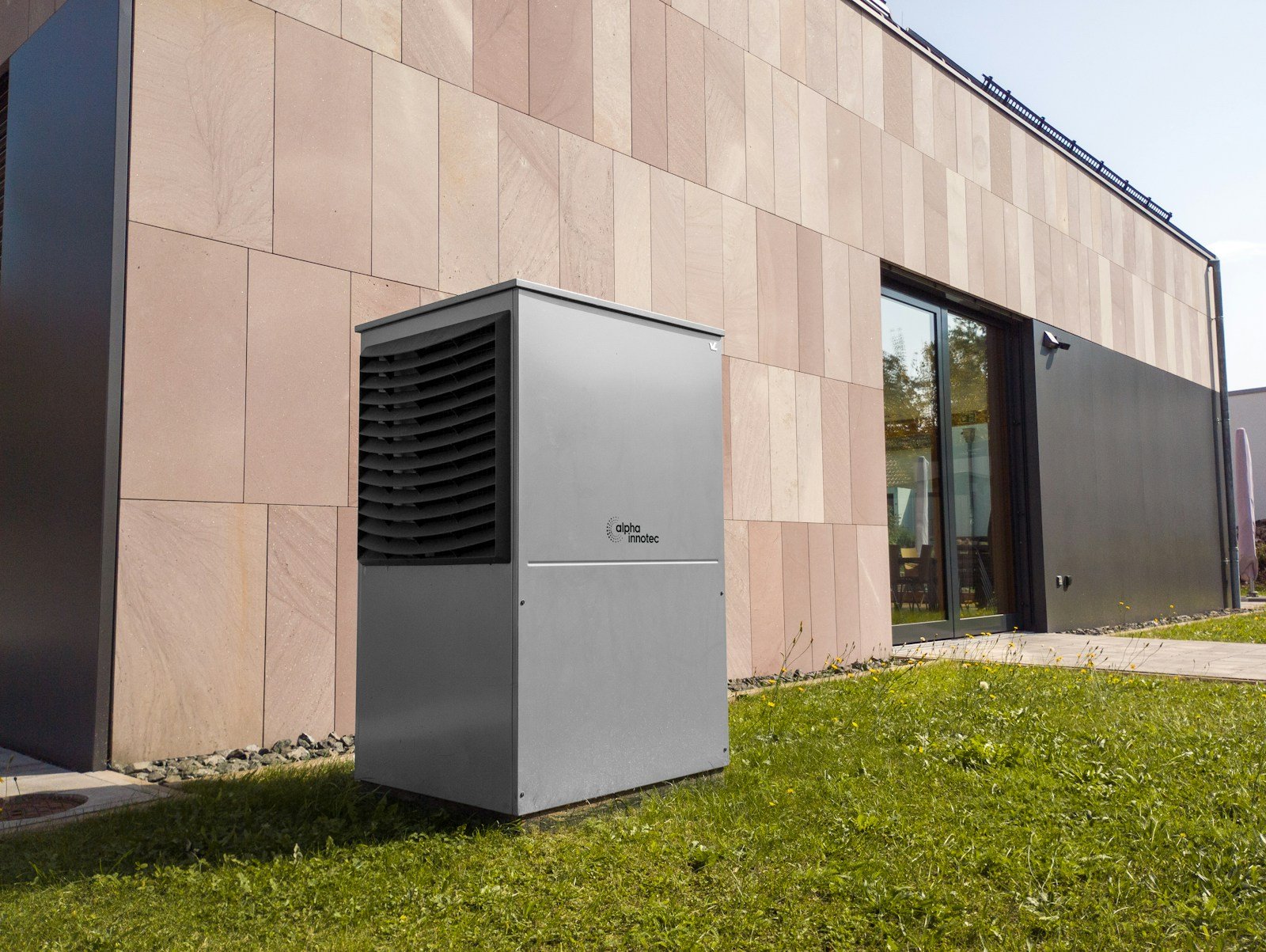
When a U.S. homeowner replaces a failed R-410A split system with a new matched ducted system, the outdoor unit is often R-454B. Several large unitary brands standardized on that blend for 2025-and-later residential product. Some competing ducted lines ship with R-32 instead. The indoor coil, metering device, and line set must match the outdoor unit the OEM lists. Mixing an old R-410A air handler with a new A2L condenser is not a valid repair.
Ductless mini-splits and VRF
New mini-splits and many VRF systems are frequently R-32. Those systems are often critically charged. The factory charge plus the published line-set adder is the method. Guessing from suction pressure the way some techs still do on older fixed-orifice R-22 units will get you in trouble.
What this means on a bid
Homeowners should pick the system type first (ducted versus ductless), then the efficiency tier and a contractor who is set up for A2L work. The refrigerant comes with the equipment. “Which refrigerant is better?” is the wrong first question if the house needs ducts, or if the house is a good mini-split candidate.
Charging and service differences
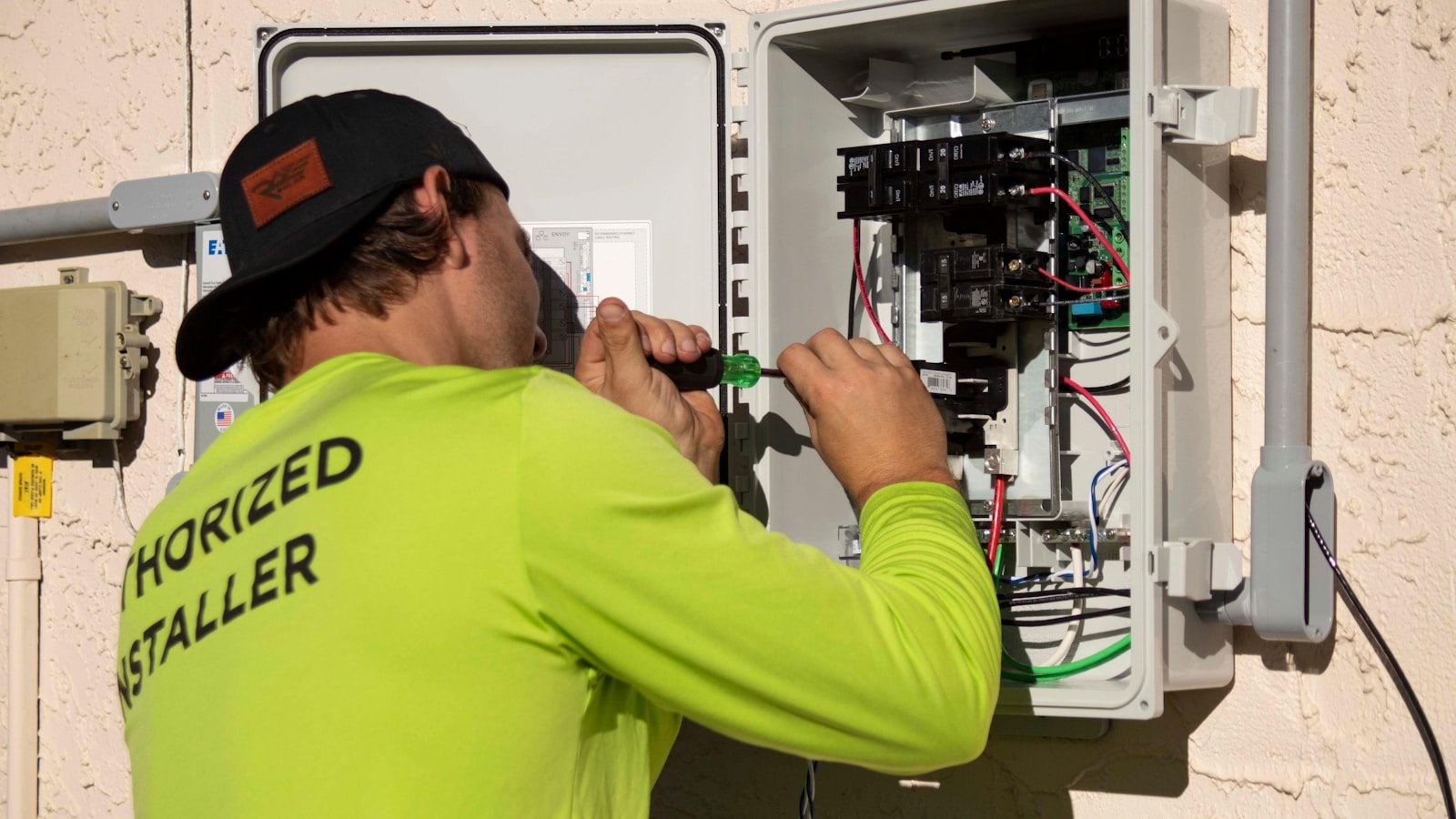
Both gases are A2L, so recovery machines, tanks, leak detectors, and ignition control have to be rated for that class. The day-to-day difference is blend versus pure refrigerant.
R-32 service notes
- No glide, so one saturation temperature applies.
- Weigh in the nameplate charge, then apply the OEM line-set correction.
- Mini-splits are intolerant of “a little extra.” Overcharge shows up fast.
- Discharge temperature can run higher than the R-410A systems many techs grew up on. Check OEM protection limits before condemning a compressor.
R-454B service notes
- Small glide means bubble point and dew point are not identical. Use the OEM chart the way it is labeled for subcooling versus superheat.
- Charge as a liquid unless the manufacturer says otherwise, so the blend does not fractionate in the cylinder.
- Do not vapor-charge a zeotropic blend “until the pressures look like 410.”
- Recover only into a dedicated, empty, correctly labeled tank. Do not mix with R-32 or R-410A.
After a repair, nitrogen-test, evacuate, then charge by weight. HVAC Prime carries field tools for that workflow, including AC gauges and accessories, a 7 CFM dual-stage vacuum pump, and a CGA-580 nitrogen regulator. See nitrogen pressure testing and superheat and subcooling for the diagnostic sequence. Confirm your manifold and hoses are rated for the A2L refrigerant on the job, not only for legacy R-22 / R-410A scales such as the Mastercool 59161 set used on older mixed-gas trucks.
If the recovered gas or a customer cylinder is unlabeled, identify it before you charge. A refrigerant diagnostics kit is more useful than trusting a faded sticker. Leak work still starts with inspection and a detector suited to the refrigerant family; see leak detection methods.
A2L safety for both
R-454B and R-32 are in the same ASHRAE safety group. A2L means lower flammability and a burning velocity at or below 10 cm/s. It does not mean “treat it like propane,” and it does not mean “treat it like R-410A.”
Expect:
- Equipment listed to current A2L product standards (commonly UL 60335-2-40 for many air conditioners and heat pumps)
- Charge limits, room-volume checks, and sometimes sensors or ventilation based on code and the installation standard
- A2L-rated recovery equipment and leak detectors
- No open flame on a circuit that still contains refrigerant
- EPA Section 608 certification for purchase and handling
Homeowners should not buy bulk A2L cylinders to top off a central system. Overcharging or using the wrong gas can injure people and destroy the compressor.
Can you mix them or swap them?
No. Do not put R-32 into an R-454B system, or R-454B into an R-32 system. Do not add either one to R-410A equipment.
The compressors, heat exchangers, expansion devices, sensors, and listings are different. Mixing creates a flammability, lubrication, capacity, and warranty problem, and it contaminates recovery cylinders.
If a system is low, find the leak, repair it, and recharge the nameplate refrigerant by weight. If the equipment is finished, replace it with a factory-designed match. That is the same rule we apply to legacy R-22 service gas: the cylinder has to match the machine, not the other way around.
How homeowners should choose
You are not really choosing a refrigerant in isolation. You are choosing a listed system.
Ask the contractor:
- What refrigerant is on the nameplate of the equipment being quoted?
- Is the indoor unit, line set, and outdoor unit a matched, listed combination?
- Is the installer trained and tooled for A2L equipment?
- What is the SEER2 / HSPF2 rating of the matched system, not a random outdoor unit?
A well-designed R-32 mini-split and a well-designed R-454B ducted heat pump can both be excellent. A mismatched cheap outdoor unit with the “wrong” indoor coil will not be, regardless of GWP.
Frequently asked questions
Which refrigerant is used in new HVAC systems, R-454B or R-32?
Both. Many new U.S. ducted splits use R-454B. Many new mini-splits and VRF systems use R-32. Some ducted lines also use R-32. Check the specific model.
Is R-454B better than R-32?
R-454B has the lower GWP. R-32 is simpler to charge because it is not a blend. Efficiency depends on the equipment design, not the label alone. “Better” is the system that is listed, sized, and installed correctly for the building.
Is R-32 flammable? Is R-454B flammable?
Both are A2L: lower flammability, not hydrocarbon A3 refrigerants. They still require A2L equipment, tools, and installation practices.
Can R-454B replace R-32, or the other way around?
No. They are not drop-in replacements for each other or for R-410A.
Do I need new tools for these refrigerants?
You need recovery equipment, leak detection, and service tools rated for A2L refrigerants, plus current training. Some vacuum pumps and gauges can still be used if the manufacturer rates them for the job. Confirm ratings instead of assuming an R-410A kit is automatically A2L-ready.
Can I still service my old R-410A or R-22 system?
Yes. Existing systems remain legal to operate and service with the nameplate refrigerant. New complete R-410A residential splits are no longer being made the way they were before 2025, and new R-22 production ended in 2020. That does not force replacement of working equipment.
The practical takeaway
R454B vs R32 is a map of the new-equipment market, not a retrofit menu. R-454B shows up often on new ducted unitary systems. R-32 shows up often on new ductless and VRF systems, and on some ducted lines. Both are A2L. Both clear the federal GWP hurdle that R-410A does not. Neither one belongs in the other’s circuit.
If you are outfitting a truck for mixed legacy and A2L work, start with identification, leak detection, nitrogen testing, and a deep vacuum, then charge by weight to the nameplate. Browse HVAC Prime HVAC tools and supplies, including refrigerant diagnostics. More comparison and service articles are on the blog.
Sources
- EPA Technology Transitions Program
- ASHRAE refrigerant designations
- Chemours Opteon XL41 (R-454B) technical literature: 68.9/31.1 composition, A2L, GWP 466 (AR4)
Product lines change. Verify the refrigerant on the equipment nameplate and in current OEM literature before purchase or service.





 HVAC
HVAC Automotive
 Refrigerant Diagnostics Kit
 Water Heaters