
R410A vs R454B: What HVAC Technicians and Homeowners Should Know

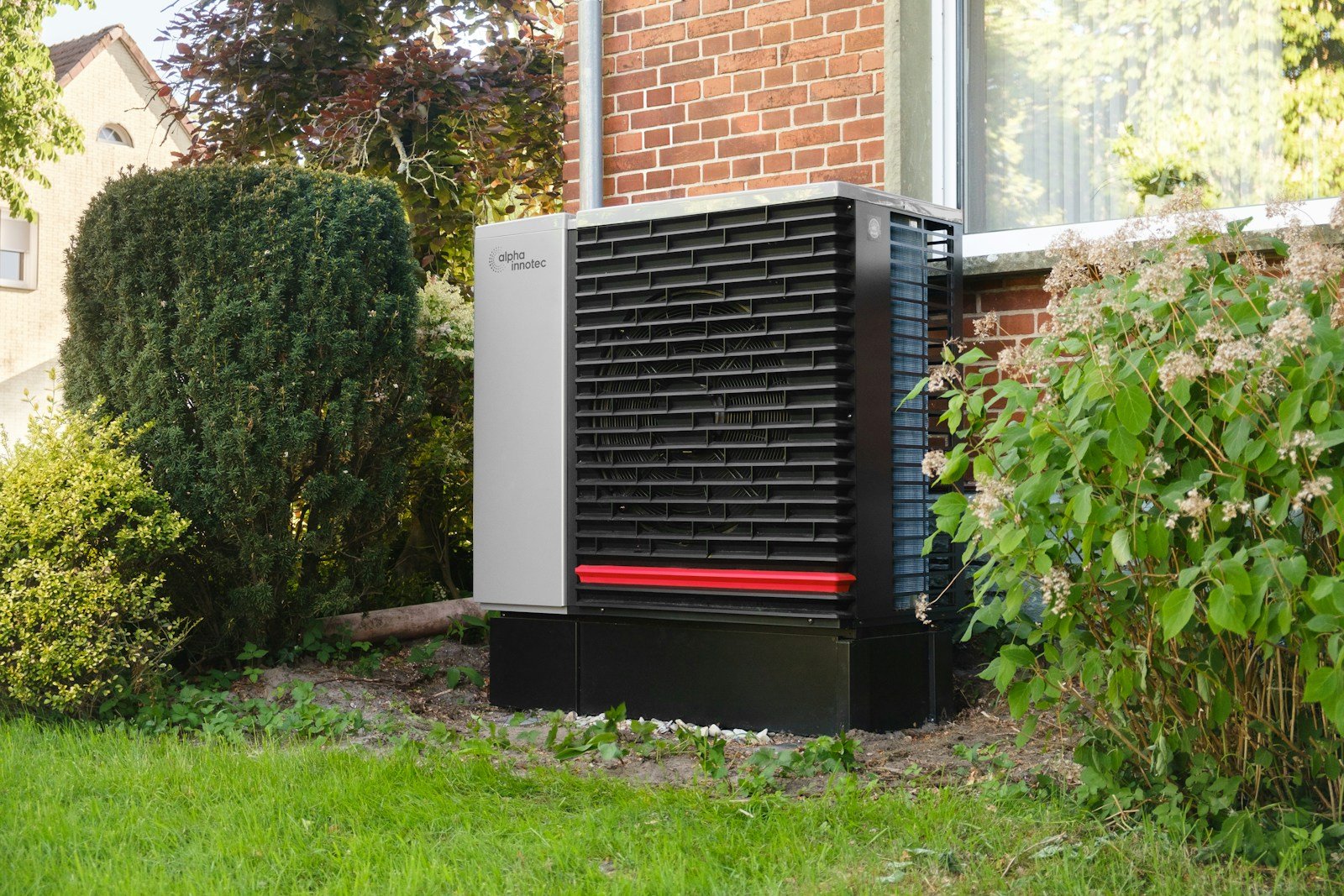
If you service air conditioners in the United States, or you are shopping for a new system, you will keep seeing the same comparison: R410A vs R454B. R-410A is the high-pressure HFC blend that dominated residential and light commercial HVAC for nearly two decades. R-454B is one of the main lower-GWP refrigerants used in new equipment designed to meet EPA Technology Transitions limits.
The two refrigerants can look similar on a pressure chart, and some new R-454B systems are marketed as close in capacity to older R-410A designs. They are not interchangeable. R-454B is an A2L refrigerant. It is not a drop-in replacement for R-410A, and it must not be added to an existing R-410A system.
This guide explains what each refrigerant is, how they differ, what U.S. rules actually changed, and what technicians and homeowners should do next.
Table of contents
- What is R-410A refrigerant?
- What is R-454B refrigerant?
- R410A vs R454B comparison table
- Why new HVAC equipment is changing
- Can R-454B replace R-410A directly?
- Equipment compatibility and applications
- Servicing and tool differences
- Safety: A2L vs A1
- What homeowners should know
- Frequently asked questions
What is R-410A refrigerant?
R-410A is a near-azeotropic HFC blend. By mass, it is typically 50% R-32 (difluoromethane) and 50% R-125 (pentafluoroethane). In the field it is often called Puron, though Puron is a trade name, not a different chemical.
ASHRAE Standard 34 classifies R-410A as A1: lower toxicity and no flame propagation under the standard’s test conditions. It has an ozone depletion potential of zero. Its 100-year global warming potential is commonly listed as 2,088 using IPCC Fourth Assessment Report (AR4) values, which are the exchange values used in the U.S. AIM Act HFC program.
R-410A became the default residential air-conditioning refrigerant after R-22 was phased out. It operates at higher pressure than R-22, which is why R-410A systems need components, hoses, and recovery equipment rated for that pressure range.
Existing R-410A systems remain legal to operate and service. The regulatory change targets new equipment that uses higher-GWP HFCs, not a requirement to rip out working systems. For a broader U.S. compliance overview, see our EPA refrigerant regulations guide.
What is R-454B refrigerant?
R-454B is a zeotropic HFO/HFC blend. ASHRAE lists the composition as 68.9% R-32 and 31.1% R-1234yf by mass. Chemours markets it as Opteon XL41. Carrier and related brands have used the trade name Puron Advance for R-454B in new equipment.
ASHRAE classifies R-454B as A2L: lower toxicity and lower flammability. That “2L” designation means it can ignite under specific conditions, but it has a low burning velocity compared with more flammable A2 or A3 refrigerants such as hydrocarbons.
Using AR4 values commonly cited by manufacturers, R-454B has a GWP of about 466. AR5 listings are often about 467. Either way, it is well below the EPA’s 700 GWP threshold that applies to many new residential and light commercial air-conditioning and heat-pump products.
R-454B was developed for new equipment, not as a retrofit gas. It has a small temperature glide (roughly 1 to 2°F / about 0.9°C between bubble and dew point). In purpose-built systems, capacity is often described as similar to R-410A, with a typically lower charge mass. Those performance claims apply to equipment designed, listed, and charged for R-454B, not to an R-410A unit that someone tried to convert.
R410A vs R454B comparison table
Values below are the figures technicians and specifiers most often use in the United States. Always confirm charge, oil, and pressures against the equipment nameplate and the OEM service literature.
| Property | R-410A | R-454B |
|---|---|---|
| Type | HFC blend | HFO/HFC blend |
| Composition (mass %) | R-32 / R-125 (50 / 50) | R-32 / R-1234yf (68.9 / 31.1) |
| ASHRAE safety class | A1 | A2L |
| Flammability | No flame propagation (A1) | Lower flammability (A2L) |
| GWP (AR4, approx.) | 2,088 | 466 |
| Ozone depletion potential | 0 | 0 |
| Typical U.S. use in 2026 | Service of existing systems; limited remaining pre-2025 inventory | New residential and light commercial unitary HVAC |
| Drop-in for the other? | No | No |
| Common oil family | POE (OEM-specified) | POE (OEM-specified) |
| Temperature glide | Very small (near-azeotrope) | Small zeotropic glide |
| Service recovery | R-410A / high-pressure rated | A2L-rated recovery equipment required |
R-32 is the other major A2L option in new U.S. equipment, especially ductless and VRF. If you need that comparison, read R-32 vs R-410A and R454B vs R32.
Why new HVAC equipment is changing
The shift is driven by U.S. climate policy, not by R-410A suddenly becoming unsafe to use in existing systems.
AIM Act HFC phase-down
The American Innovation and Manufacturing (AIM) Act directs EPA to phase down production and import of bulk HFCs. Allowances are based on exchange values that match AR4 100-year GWPs. The national HFC supply steps down over time and reaches 15% of the historic baseline by 2036. That makes high-GWP service gas more constrained over the long term, even when existing equipment can still be repaired.
Technology Transitions GWP limits
Separately, EPA’s Technology Transitions Program restricts higher-GWP HFCs in specific new products. For many residential and light commercial air conditioners and heat pumps, new equipment must use a refrigerant with a GWP below 700. R-410A does not meet that limit. R-454B and R-32 do.
For residential and light commercial split systems, manufacture and import of new complete higher-GWP (including R-410A) systems generally ended January 1, 2025. Specified replacement components for existing R-410A systems can still be made or imported when they are labeled for servicing existing equipment only.
What changed in May 2026
On May 21, 2026, EPA finalized revisions to the Technology Transitions rule. One HVAC-relevant change removed the January 1, 2026 installation deadline for residential and light commercial air-conditioning and heat-pump systems when all specified components were manufactured in the United States or imported before January 1, 2025. Remaining pre-2025 split-system inventory may be installed until that supply is exhausted, subject to the final rule and any stricter state or local requirements.
That is not a return to building new R-410A systems. It is inventory relief. Packaged products and other subsectors can have different sell-through or compliance dates. Always check current EPA tables and local code before you sell or install leftover R-410A equipment.
State rules can be tighter. New York, for example, has separately limited new R-410A installations. Confirm the jurisdiction before you treat federal inventory relief as a green light.
Can R-454B replace R-410A directly?
No. R-454B is not a direct drop-in replacement for R-410A.
The refrigerants have different compositions, different safety classifications, different listing requirements, and different OEM charge and component designs. Putting R-454B into an R-410A condensing unit, coil, or compressor can create a flammability, pressure, lubrication, warranty, and code problem. Mixing the two gases makes recovery and disposal harder and can damage the system.
If an existing R-410A system is low on charge, the correct path is to find and repair the leak, recover or recycle as required, and recharge with R-410A to the nameplate. If the equipment is at the end of its life, replace it with a factory-designed R-454B, R-32, or other listed low-GWP system. Do not “convert” the old circuit by changing the gas.
Equipment compatibility and applications
Where you still see R-410A
- Existing residential split air conditioners and heat pumps
- Many light commercial packaged and split systems installed before the 2025 manufacture cutoff
- Service components labeled for existing R-410A equipment only
- Remaining pre-2025 split-system inventory, where federal and local rules still allow installation
Where you see R-454B
- New ducted residential and light commercial unitary air conditioners and heat pumps from several major U.S. brands
- Some new packaged and light commercial designs engineered and UL-listed for A2L refrigerants
- New equipment that must meet the sub-700 GWP product restriction
R-454B is not the only new option
R-32 is widely used in new mini-splits and many VRF products. Some manufacturers use other A2L blends in specific product families. The nameplate, not a blog post, tells you what the machine is listed for. If you are replacing a failed outdoor unit, match the indoor coil, metering device, and refrigerant the OEM specifies. Mixing an R-410A air handler with a new R-454B condenser is not a valid “repair.”
Servicing and tool differences
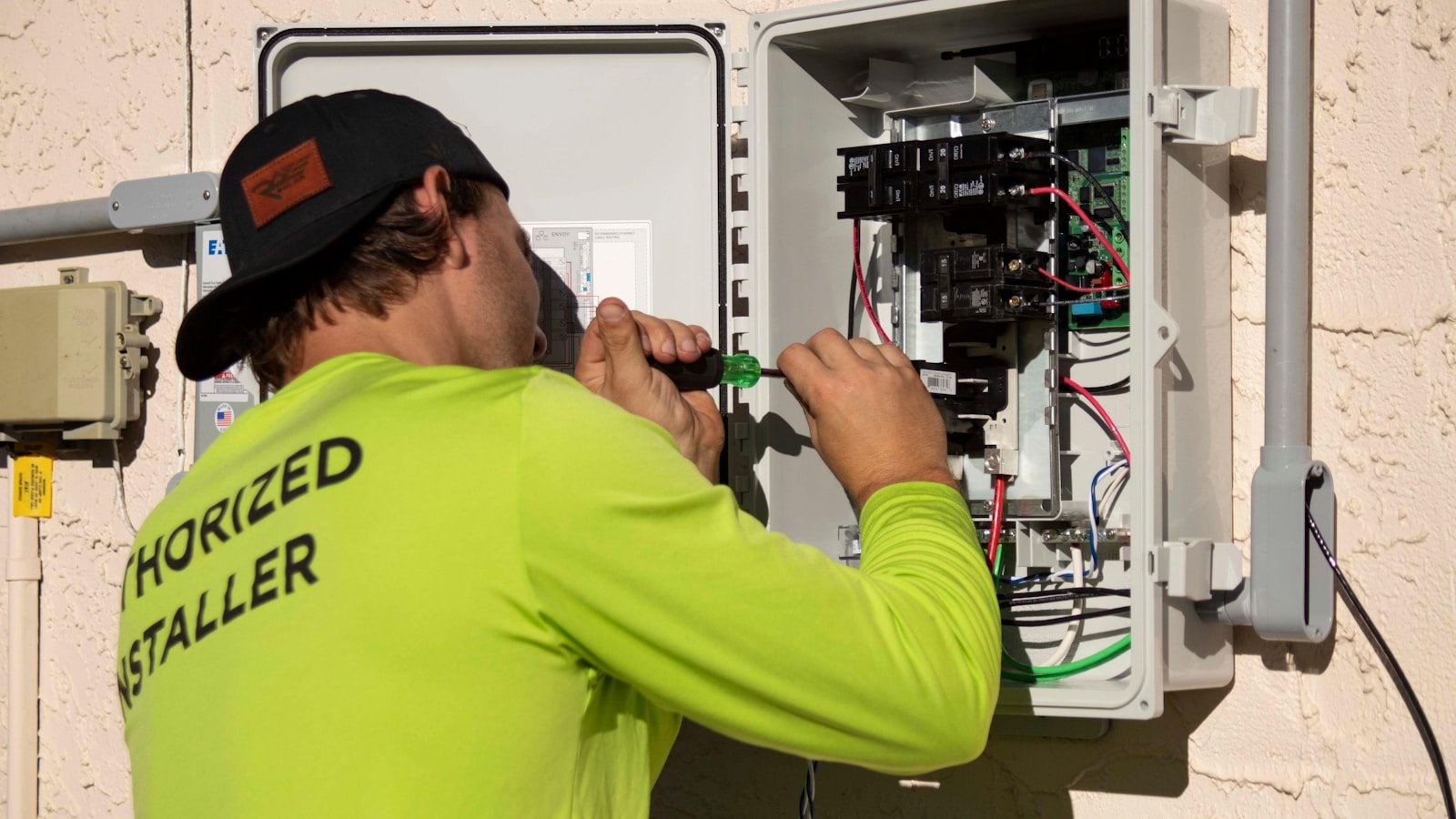
Technicians who already work R-410A will recognize the high-pressure workflow. A2L service adds extra controls around ignition sources, recovery equipment ratings, leak checking, and ventilation.
Charging and recovery
- Charge by weight to the nameplate, then apply the OEM line-set adder when one is published.
- Use recovery machines, tanks, and hoses rated for the refrigerant and for A2L service on R-454B jobs.
- Do not recover R-454B into a tank that already contains R-410A or another refrigerant.
- R-454B’s small glide means you should follow OEM guidance for liquid charging and for interpreting saturated temperatures. Do not treat every pressure as if it were pure R-410A.
Gauges, vacuum, and leak work
A manifold set that already covers R-410A is still useful on legacy systems. For new A2L equipment, use gauges, hoses, and digital probes the tool maker rates for those refrigerants, and keep your R-410A and A2L service kits clearly separated if your shop runs both.
HVAC Prime carries field tools for that work, including a Mastercool brass manifold gauge set for common high-pressure service gases, AC gauges and accessories, and vacuum pumps such as the Bolton Tools 7 CFM dual-stage vacuum pump. A deep vacuum still matters after a repair, before you charge either refrigerant.
Leak work should start with inspection and a detector suited to the refrigerant family. See refrigerant leak detection methods. After a repair, many techs still pressure-test with dry nitrogen before opening refrigerant. Our nitrogen pressure testing guide covers that process, and a CGA-580 nitrogen regulator belongs on the truck for that step.
When you need to identify what is actually in a system before you recover or recharge, a refrigerant diagnostics kit is more useful than guessing from the outdoor-unit badge alone. Mixed or counterfeit gas is a real field problem during a refrigerant transition.
Brazing and ignition control
On A2L systems, recover the charge, purge with nitrogen, and follow the OEM and code rules before you braze. Do not work with an open flame on a circuit that still contains R-454B. Ventilate mechanical rooms and tight closets. Keep ignition sources away from a known leak until the concentration is controlled.
Safety: A2L vs A1
A2L does not mean “as dangerous as propane.” It also does not mean “treat it exactly like R-410A.”
ASHRAE Standard 34 class A2L refrigerants have lower flammability and a burning velocity at or below 10 cm/s. They still require:
- Equipment listed to the current A2L product standards, commonly UL 60335-2-40 for many air conditioners and heat pumps
- Charge limits, room-volume checks, and sometimes mitigation (sensors, ventilation, or shutoff) based on the installation standard and local code
- A2L-capable recovery machines and leak detectors
- Updated training for anyone who installs or services the equipment
EPA Section 608 certification still applies to the sale and handling of these refrigerants. Cylinder storage, transport, and labeling rules still apply. Read the SDS for the specific product you are using. Do not store refrigerant cylinders in a hot truck box or in a living space.
Homeowners should not buy bulk refrigerant or attempt a DIY recharge on a central air conditioner. Overcharging, using the wrong gas, or defeating safety devices can injure people and destroy the compressor.
What homeowners should know
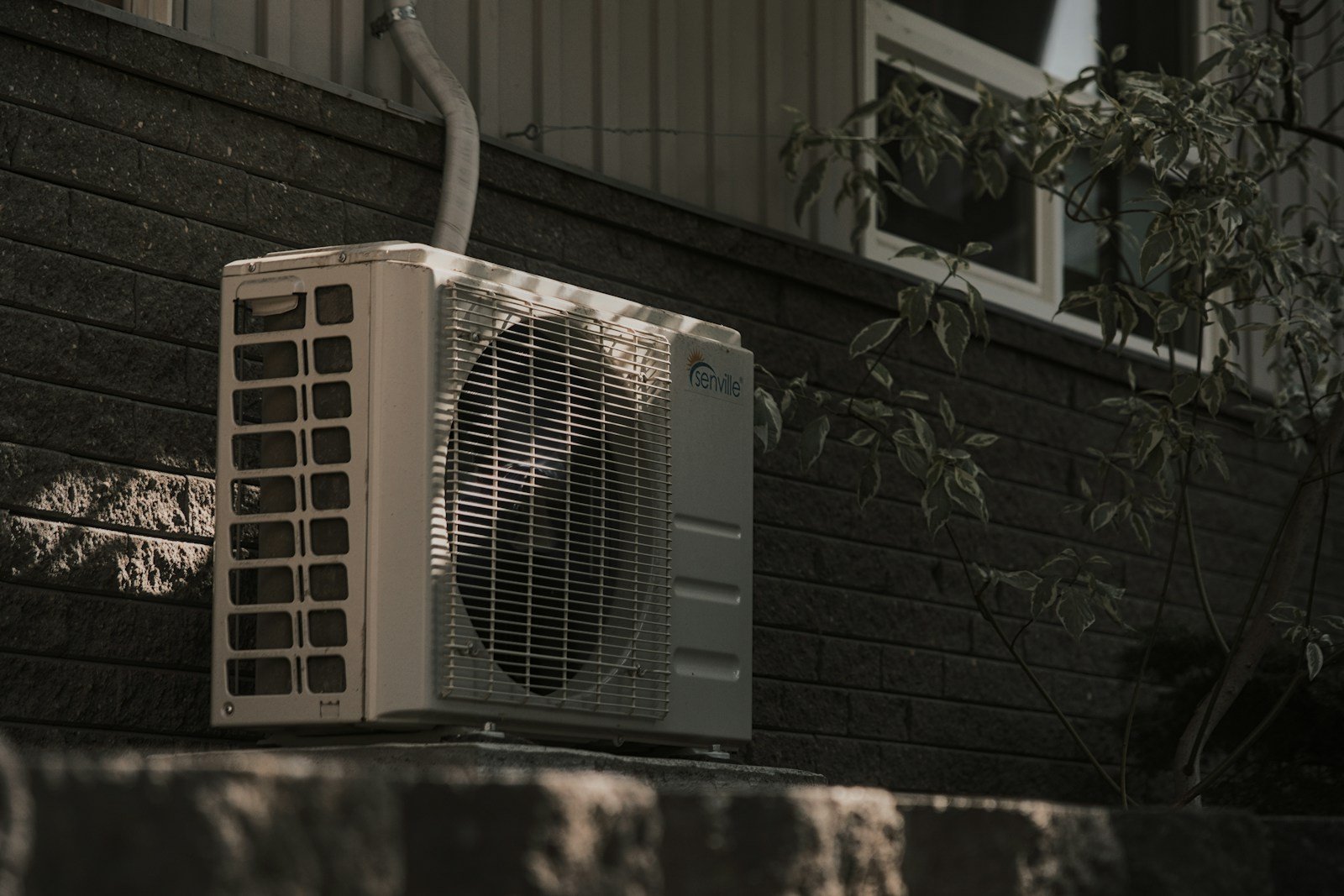
You do not have to replace a working R-410A air conditioner just because new systems use R-454B. EPA has been clear that existing systems can be maintained and repaired through their useful life, including replacement of failed components with like-for-like service parts when those parts are available and properly labeled.
When you do replace the whole system, expect a new refrigerant, new installation requirements, and a contractor who is set up for A2L work. Ask:
- What refrigerant is on the nameplate?
- Is the indoor coil, line set, and outdoor unit a matched, listed combination?
- Will the installer follow current A2L charge-limit and ventilation rules for the space?
- How will leaks be found and repaired under warranty?
Price shopping only the outdoor unit is how mismatched R-410A/R-454B combinations happen. A complete, listed system is the safe path.
Frequently asked questions
Is R-454B the same as R-410A?
No. R-410A is an A1 HFC blend of R-32 and R-125. R-454B is an A2L blend of R-32 and R-1234yf with a much lower GWP. They are used in different listed equipment.
Can R-454B be added to an R-410A system?
No. Do not top off or convert an R-410A system with R-454B. Recover, repair, and recharge with the nameplate refrigerant, or replace the system with equipment designed for the new refrigerant.
Is R-454B flammable?
R-454B is classified A2L, which means lower flammability. It is not a hydrocarbon A3 refrigerant, but it can ignite under certain conditions. That is why new equipment, tools, and installation practices are different from R-410A.
Can you still buy R-410A refrigerant?
Yes, R-410A remains available for servicing existing equipment, subject to EPA HFC allocation limits, supplier stock, and purchaser qualification (typically Section 608). Availability and price can tighten as the HFC phase-down continues. New complete R-410A residential split systems are no longer being manufactured or imported as they were before 2025.
Is R-410A being banned in homes that already have it?
No. A working R-410A system does not have to be replaced solely because of the transition. The federal rules focus on new products and on the bulk HFC supply, not on forcing homeowners to scrap operating equipment.
Which is better, R-410A or R-454B?
For a new listed system, R-454B (or R-32, depending on the product) is the refrigerant the equipment was designed around and the one that meets current GWP product limits. For an existing R-410A system that is still sound, R-410A is the correct service refrigerant. “Better” depends on the machine in front of you, not on a universal winner.
Do I need new tools for R-454B?
You need recovery equipment, leak detection, and service tools rated for A2L refrigerants, plus current training. Some existing high-pressure gauges and vacuum pumps can still be used if the manufacturer rates them for the job. Confirm ratings instead of assuming an R-410A kit is automatically A2L-ready.
The practical takeaway
R410A vs R454B is a transition story, not a swap story. R-410A stays on the truck for the large installed base. R-454B shows up on new unitary equipment because it clears the federal GWP limit and was engineered as an R-410A-like option for new designs. Treat the nameplate as law, keep the gases separate, and use A2L procedures on A2L systems.
If you are outfitting a service van for both legacy and new equipment, start with accurate identification, leak detection, evacuation, and pressure testing. Browse HVAC Prime HVAC tools and supplies, including refrigerant diagnostics and manifold gauges and accessories. More field guides live on the HVAC Prime blog.
Sources
- EPA Technology Transitions Program
- EPA AIM Act / HFC phasedown
- EPA Technology Transitions revisions (May 2026)
- ASHRAE refrigerant designations
- Chemours Opteon XL41 (R-454B) technical literature: composition 68.9/31.1, A2L, GWP 466 (AR4) / 467 (AR5)
Regulatory details can change. Verify current EPA sector tables and local mechanical code before installation or sale of leftover R-410A equipment.





 HVAC
HVAC Automotive
 Refrigerant Diagnostics Kit
 Water Heaters