
Which Chiller Refrigerant Options Fit Your System Today

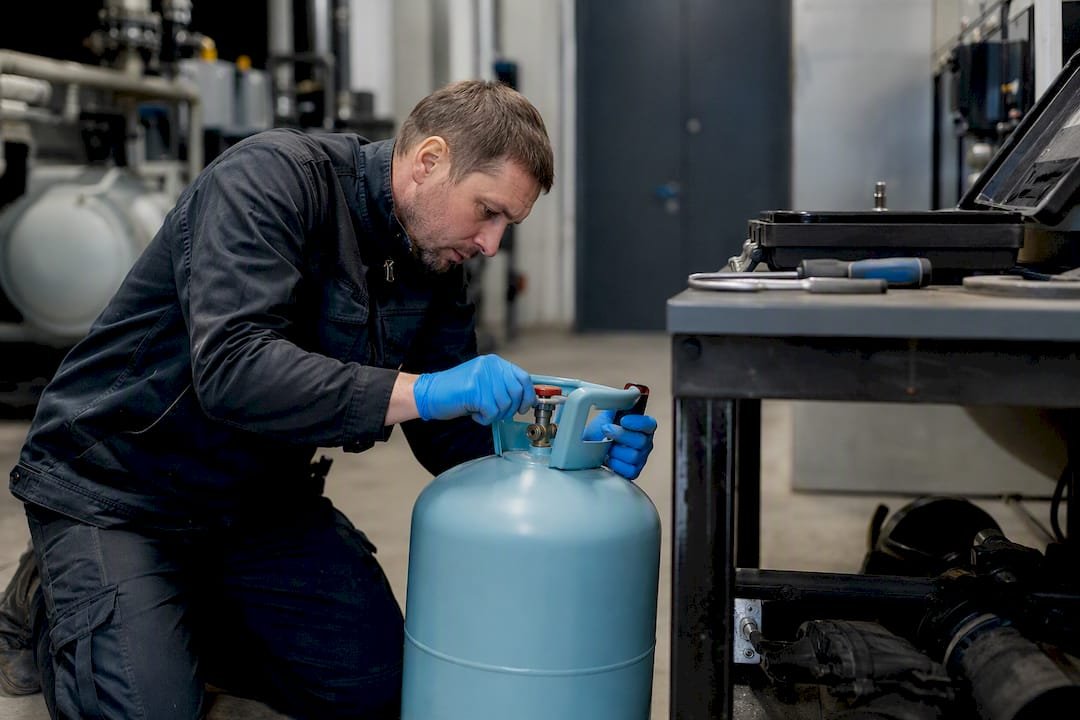
For new scroll and screw chillers, prioritize R454B. For centrifugal machines running an R134a envelope, prioritize R513A or an HFO‑optimized platform running R1234ze. Both cut global warming potential by well over half compared to legacy refrigerants while staying inside the mechanical limits most existing compressors were built for.
Specialized industrial plants with the engineering budget for it should look at CO2 (R744) or ammonia (R717), both near‑zero GWP but demanding on system design and safety infrastructure. Propane (R290) works, but only in small‑charge, purpose‑built units. The EPA’s SNAP program and the AIM Act are the regulatory forces pushing all of this, phasing down high‑GWP HFCs on a fixed timeline that makes “wait and see” a losing strategy for facility managers.
- Scroll/screw chillers: R454B (GWP 466), the direct R410A successor
- Centrifugal/water‑cooled: R513A or R1234ze on OEM‑optimized units with much lower GWP
- Industrial/large plant: R744 or R717, engineered case by case
- Small specialty units: R290, charge‑limited by code
Regulatory reality check: R410A carries a GWP of 2,088, R134a sits at 1,430. R454B and R513A cut that by roughly 75 to 80 percent without forcing a full equipment redesign.
Hvac-prime stocks R454B, R513A, and the other refrigerants covered here, with safety data sheets and technical data sheets available for every SKU.
TL;DR:
- Matching refrigerants to specific chiller types is crucial, with R454B suited for scroll and screw units and R513A for centrifugal systems.
- GWP reduction alone doesn’t guarantee energy efficiency; real-world performance can cause lifecycle emissions to vary significantly.
- Retrofit refrigerants like R513A require oil changes, liquid charging, and can increase capacity needs by nearly 19 percent compared to R134a.
- Safety classifications dictate installation requirements, with A2L refrigerants needing leak detection and electrical ratings, and ammonia requiring dedicated ventilation.
- Sourcing refrigerants with comprehensive documentation like SDS and TDS ensures regulatory compliance and reduces retrofit delays.
Table of Contents
- What Refrigerant Families Actually Determine Chiller Suitability?
- Which Low‑GWP Refrigerants Work Best in Chillers?
- When Do Natural Refrigerants Make Sense for Chillers?
- What Should You Check Before Retrofitting a Chiller’s Refrigerant?
- What Do ASHRAE Safety Classes Mean for Chiller Installations?
- How Do You Choose the Right Refrigerant for a New or Retrofit Project?
- How Does Hvac-prime Support Refrigerant Sourcing for Chiller Projects?
- What Actually Matters Most When Picking a Chiller Refrigerant?
- Get the Refrigerants and Documentation Your Retrofit Actually Needs
- Key Takeaways
- Sources
What Refrigerant Families Actually Determine Chiller Suitability?
Every chiller refrigerant option falls into one of five families, and each comes with its own set of tradeoffs that decide whether it belongs in your machine room.
- HFCs (R134a, R410A, R404A): proven, widely stocked, but high GWP and now subject to phase‑down
- HFOs (R1234ze, R1234yf): ultra‑low GWP, non‑flammable or mildly flammable, engineered for specific temperature envelopes
- HFC/HFO blends (R454B, R513A, R448A, R449A): balance lower GWP with performance close to the refrigerant they replace
- Natural refrigerants (R744, R717): near‑zero GWP, but demand pressure‑rated or toxicity‑rated hardware
- Hydrocarbons (R290): excellent thermodynamics, strictly charge‑limited by flammability class
Selection comes down to matching the refrigerant’s pressure/temperature curve to your evaporating and condensing setpoints, and confirming the compressor type (scroll, screw, or centrifugal) was designed around that molecule. A surprising number of R22 systems are still running today purely as legacy holdouts. Virgin R22 production ended years ago, so anything servicing those units now comes from reclaimed stock, which is a shrinking and increasingly expensive supply chain.
Which Low‑GWP Refrigerants Work Best in Chillers?
Four names dominate the low‑GWP conversation right now, and each earns its place for a different reason.
- R454B — GWP 466, ASHRAE A2L (mildly flammable). Built as the direct R410A replacement for scroll and screw chillers. Requires A2L‑rated leak detection and electrical components in the mechanical room.
- R513A — GWP 573, ASHRAE A1 (non‑flammable). The go‑to path for centrifugal and other R134a‑class water‑cooled chillers. Non‑flammable status makes it the lower‑friction retrofit for buildings that can’t accommodate flammable refrigerant codes.
- R1234ze — GWP 1.37, ASHRAE A2L. The cleanest option on paper, and OEMs including Airedale now build screw chillers specifically optimized around it, which narrows the efficiency gap that used to make HFOs a hard sell.
- R448A / R449A — GWP in the 1,300 to 1,400 range, ASHRAE A1. Useful mainly as retrofit solutions for low‑temperature applications rather than new chiller specification.
A refrigerant’s GWP tells only part of the story. Energy performance under real operating conditions often swings lifecycle emissions more than the GWP number alone, a point TEWI analysis makes clear when comparing normalized cooling output rather than raw refrigerant properties.
When Do Natural Refrigerants Make Sense for Chillers?
CO2, ammonia, and propane sit at the far low end of the GWP scale. CO2 (R744) carries a GWP of 1, and propane (R290) comes in at 0.02, numbers no synthetic blend can touch.
- CO2 (R744): transcritical systems run at far higher pressures than conventional chillers, which means dedicated compressors, piping, and controls, not a retrofit onto existing hardware
- Ammonia (R717): excellent thermodynamic efficiency but toxic at low concentrations, requiring dedicated ventilation, detection, and often a machine room separate from occupied space
- Propane (R290): strong efficiency in a small footprint, but ASHRAE A3 flammability caps most applications to tightly limited refrigerant charges
Cold chain and large industrial refrigeration plants routinely choose ammonia or CO2 because the volume justifies the engineering cost. Propane shows up in small, high‑efficiency self‑contained chillers where the charge limit isn’t a constraint.
Pro Tip: Don’t evaluate a natural refrigerant purely on GWP. Price in the cost of pressure‑rated components, detection systems, or ventilation before comparing it against an HFC/HFO blend on a level playing field.
What Should You Check Before Retrofitting a Chiller’s Refrigerant?
Drop‑in retrofits are mostly a myth in the chiller world. Most low‑GWP blends demand real mechanical changes, not a simple recharge.
- Confirm oil compatibility. Many blends need a full POE oil change rather than staying on mineral oil, and residual oil left behind skews performance.
- Check the charging method. Blends like R513A and R454B are zeotropic or near‑azeotropic and typically require liquid‑phase charging to avoid fractionation.
- Verify compressor and expansion device limits. Not every scroll or screw compressor rated for R134a or R410A is rated for the replacement’s pressure curve.
- Expect a capacity and efficiency shift. Testing on R513A shows mass flow requirements roughly 18 to 19 percent higher than R134a, with COP/EER shifting anywhere from about negative 5.8 percent to positive 1.8 percent depending on operating conditions.
- Update the nameplate and notify your OEM. A refrigerant change without documentation creates warranty and code headaches down the line.
Plan for service parts availability before committing. A refrigerant that performs well in a lab test but has no regional supply chain isn’t a real option for a facility that needs 24/7 uptime.
What Do ASHRAE Safety Classes Mean for Chiller Installations?
ASHRAE’s classification system is the shorthand every technician needs to read before specifying equipment.
- A1 (R134a, R513A, R448A): lowest toxicity, non‑flammable, fewest installation restrictions
- A2L (R454B, R1234ze, R32): lower flammability, requires leak detection and specific electrical ratings
- A3 (R290): highly flammable, strict charge limits and ventilation requirements
- B2 (ammonia/R717): higher toxicity, low flammability, demands dedicated safety systems and often a separate machine room
The AIM Act’s phase‑down schedule is why A2L refrigerants have moved from niche to mainstream faster than most facility managers expected. Compliance today means leak detection hardware sized to the refrigerant class, technicians certified to handle the specific refrigerant category, and current safety data sheets on file, which Hvac-prime provides through its SDS and TDS download library.
How Do You Choose the Right Refrigerant for a New or Retrofit Project?
Specifying refrigerant isn’t a single decision, it’s a sequence. Skip a step and you end up correcting an order after the equipment is already on-site.
- Identify chiller type and operating envelope. Scroll, screw, or centrifugal, and the exact evaporating/condensing temperature range you need to hit.
- Shortlist low‑GWP options that fit that envelope. Cross‑reference R454B, R513A, and R1234ze against your temperature and pressure requirements.
- Check OEM approval and retrofit complexity. Confirm the manufacturer has validated the refrigerant for your specific model, not just the family.
- Run the TEWI math, not just the GWP comparison. Factor in energy performance under your actual climate and load profile.
- Lock in safety and installation details. Leak detection, ventilation, and certified labor requirements tied to the ASHRAE class you land on.
Pro Tip: Before ordering cylinders, call the compressor manufacturer directly to confirm mass flow and oil recommendations. A five‑minute call can save a callback that costs a full day of labor.
How Does Hvac-prime Support Refrigerant Sourcing for Chiller Projects?
Sourcing the right refrigerant fast is half the battle once you’ve made the technical decision. Hvac-prime stocks virgin R454B, R513A, R134a, R410A, and the rest of the low‑GWP lineup covered above, sold at wholesale pricing with fast shipping direct to contractors and facility teams.
| Refrigerant | GWP | Typical Chiller Use | Available at Hvac-prime |
|---|---|---|---|
| R454B | 466 | New scroll/screw | Yes |
| R513A | 573 | Centrifugal retrofit | Yes |
| R134a | 1,430 | Legacy centrifugal | Yes (including high‑purity replacement) |
| R410A | 2,088 | Legacy scroll/screw | Yes |
Retrofit projects live or die on documentation. Having the safety data sheet and technical data sheet in hand before a refrigerant change, not after, is what separates a clean job from a compliance scramble.
Every product listing links to its SDS and TDS documentation, and the full refrigerant catalog covers both new low‑GWP blends and legacy stock for equipment still running on R134a or R410A.
What Actually Matters Most When Picking a Chiller Refrigerant?
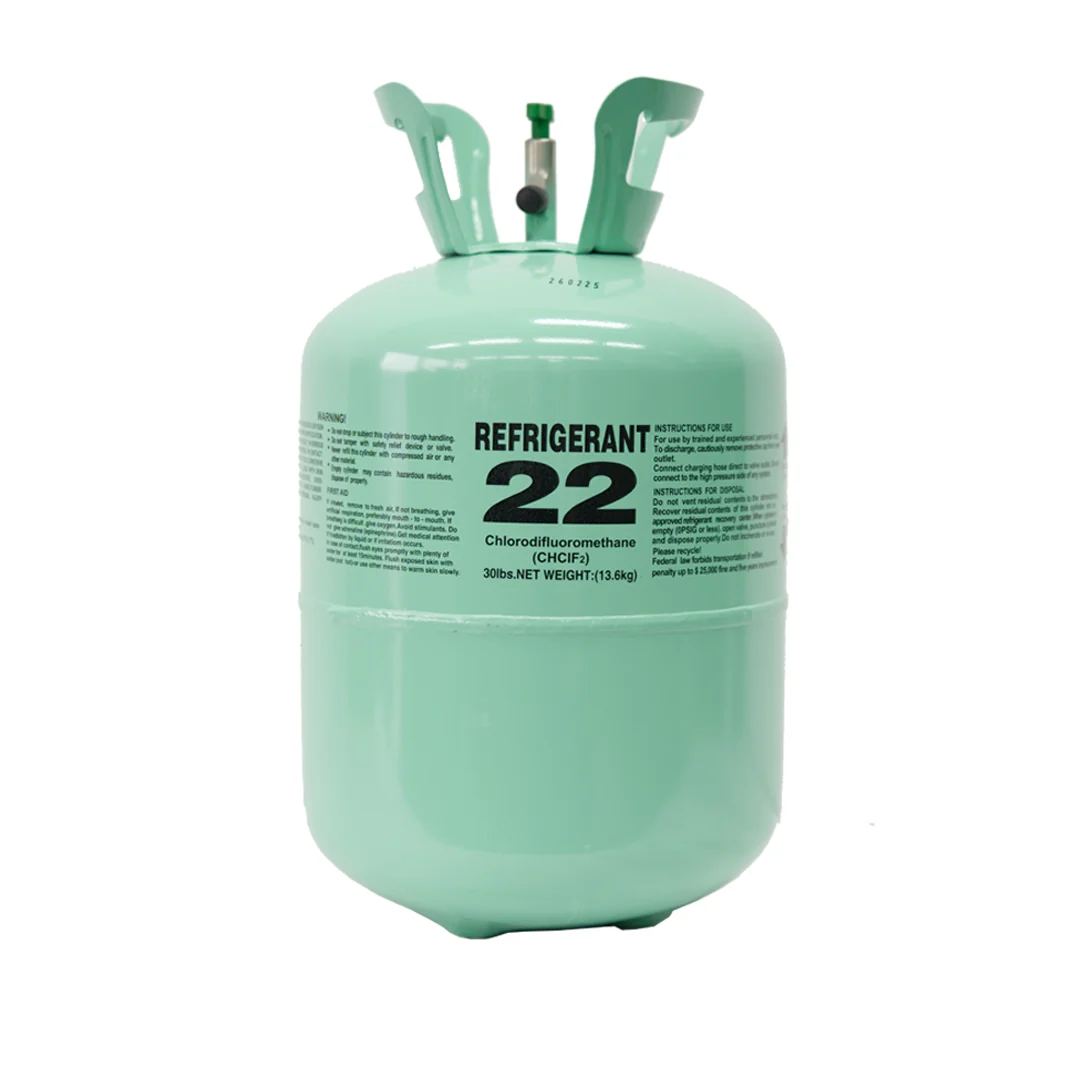
Most refrigerant guides treat GWP as the only number that counts, and that’s the mistake. GWP tells you the phase‑down risk, but it says nothing about whether your compressor will deliver rated capacity once you swap the molecule running through it. The energy performance data on R513A makes this concrete: a refrigerant with substantially lower GWP than R134a can still lose or gain a few percentage points of COP depending on condensing temperature. That’s not a rounding error on a large chilled water plant running thousands of hours a year.
The conventional advice, “just pick the lowest GWP option available,” skips the part where mismatched oil chemistry or an under‑rated expansion valve turns a routine retrofit into a service call. Facility managers should prioritize OEM‑validated pairings first, then optimize for GWP within that validated set. Ammonia and CO2 get treated as universal low‑carbon answers online, but the safety infrastructure they demand rules them out for most commercial buildings. The honest read is that R454B and R513A will carry the bulk of chiller retrofits for the next decade, not because they’re perfect, but because they fit the hardware that’s already installed.
— Planet
Get the Refrigerants and Documentation Your Retrofit Actually Needs
Sourcing R454B, R513A, or R134a from a wholesaler that stocks all three, instead of chasing separate suppliers for each phase‑down transition, saves the ordering delays that stall a retrofit schedule. Hvac-prime carries virgin refrigerant across the full low‑GWP and legacy lineup covered in this guide, priced for contractors buying by the case rather than the cylinder.
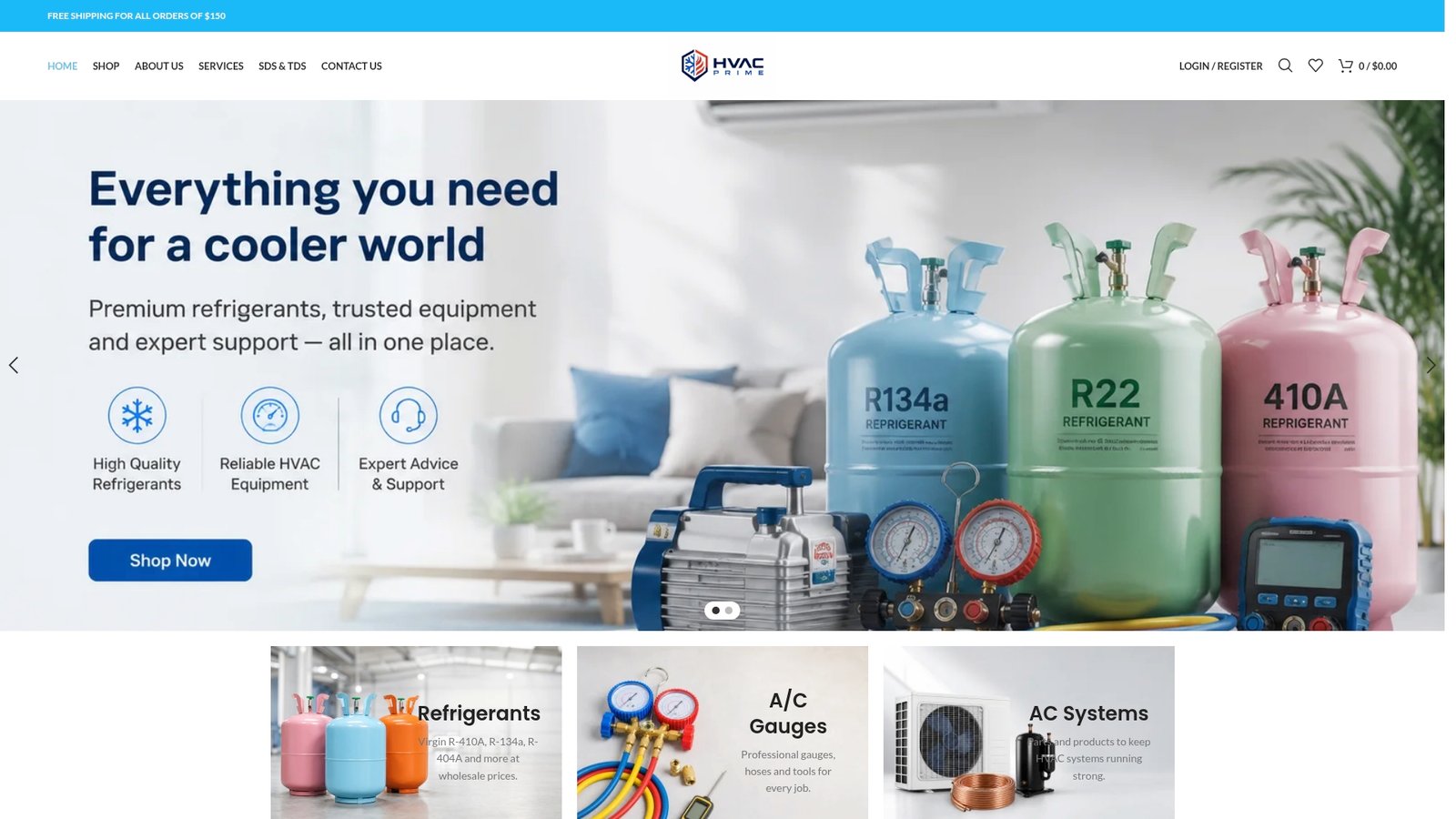
Every listing ships with access to safety data sheets and technical data sheets, so your compliance paperwork is ready before the refrigerant arrives on-site. That matters when a facility manager needs documentation on file for an inspection, not three weeks after the job closes. Beyond refrigerant, Hvac-prime carries the HVAC tools and gauges technicians need to charge and verify a retrofit correctly the first time.
Browse the refrigerant catalog to check current stock on R454B and R513A, or request a bulk quote if you’re specifying refrigerant for a multi‑unit retrofit project.
Key Takeaways
Matching the refrigerant to the compressor’s engineered pressure envelope, not chasing the lowest GWP number alone, determines whether a chiller retrofit succeeds.
| Point | Details |
|---|---|
| Match refrigerant to chiller type | R454B fits scroll/screw, R513A fits centrifugal, R1234ze fits OEM‑optimized high‑efficiency designs. |
| GWP alone isn’t the full picture | Energy performance under real operating conditions often shifts lifecycle emissions more than GWP does. |
| Retrofits require real changes | Expect oil changes, liquid charging, and mass flow shifts of roughly 18 to 19 percent with R513A versus R134a. |
| Safety class dictates installation | A2L refrigerants like R454B need leak detection and rated electrical components; B2 ammonia needs dedicated ventilation. |
| Source refrigerant with documentation ready | Hvac-prime stocks R454B, R513A, R134a, and R410A with SDS/TDS access and wholesale pricing for retrofit projects. |
Sources
- Experimental study comparing R513A and R134a (conference/journal paper)
- Energy journal — experimental TEWI and performance analysis (2018)




 HVAC
HVAC Automotive
 Refrigerant Diagnostics Kit
 Water Heaters